
A Child Doesn’t Necessarily See the Children’s Bill of Rights in Sports on a Wall. What They Know Is How Their Coach Treats Them.
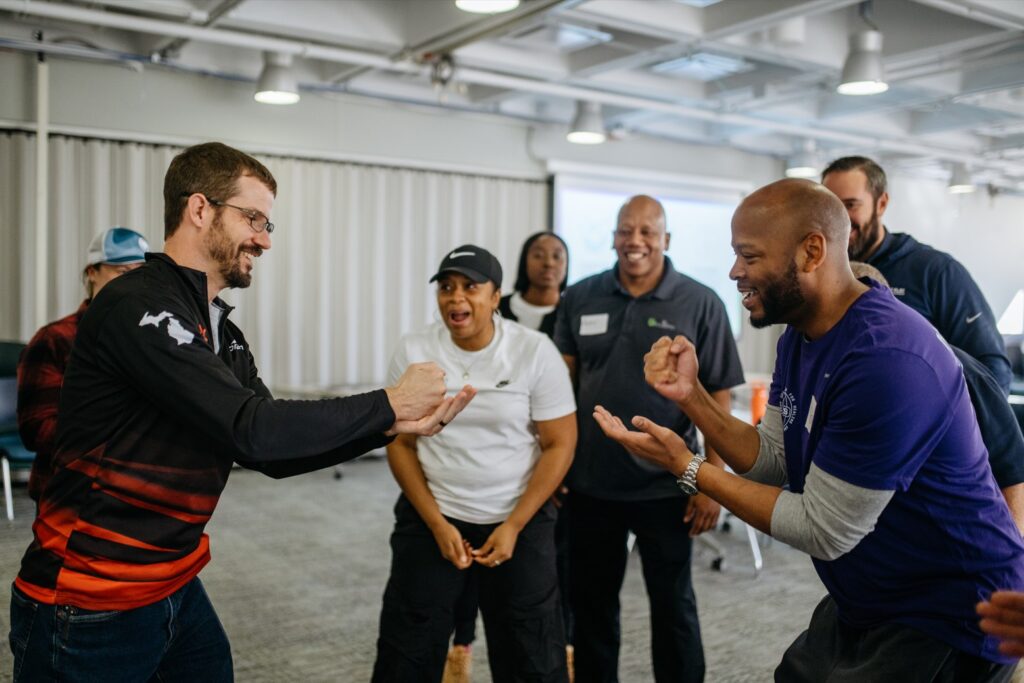
Walk into a Project Play: Southeast Michigan coach training, and nobody is sitting still.
“One thing we really want to avoid is having coaches come in, sit down for several hours, listen to someone talk at them, and then leave,” Project Play Program Manager Rickey Jackson, Jr. says. “From the beginning, coaches are moving, talking with one another, participating in activities, and thinking about situations they encounter with young people.”
What they work on isn’t the Xs and Os. It’s connection, belonging, resilience, communication and a reflection on how much the environment an adult creates shapes what a young person carries away from a sports season. Most coaches arrive expecting something smaller.
Good intentions are a starting point, not a qualification.
The Children’s Bill of Rights in Sports, launched across our region this year with all four of Detroit’s professional sports teams, the Detroit Sports Commission and partners throughout southeast Michigan, says every child has the right to qualified program leaders. Which raises the question: qualified how?
“We have a lot of people coaching youth sports because they care about kids and want to give back,” Jackson says. “That’s a great starting point. Our responsibility is to make sure we’re also giving those adults the tools and training they need to turn that good intention into a positive experience for every child they serve.”
A qualified coach understands the job is bigger than the sport. The focus is on communicating with young people, building relationships, creating a safe and welcoming environment, and recognizing that every child may need something different.
Southeast Michigan asked for this.
The investment began with a survey. Organizations across southeast Michigan told us what they needed, including positive coaching and youth development, conflict resolution and communication, trauma-informed approaches and relationship building. They named time and cost as barriers.
“If we want to improve the youth sports experience for kids, we have to invest in the people who interact with them every day,” Jackson says.
That’s one of the Aspen Institute’s 8 Plays: Train all coaches. In southeast Michigan, it means Project Play investing in partnerships that bring strong curriculum into communities and take the price tag off, most recently with the Positive Coaching Alliance, the U.S. Soccer Foundation, the National Recreation and Park Association and the Center for Healing and Justice Through Sport.
Coach training is where that translation happens, and its reach runs well past the training facility. For example, through work with Detroit Parks & Recreation, Project Play: Southeast Michigan has trained staff and coaches whose combined footprint touches more than 2,000 young people across the city.
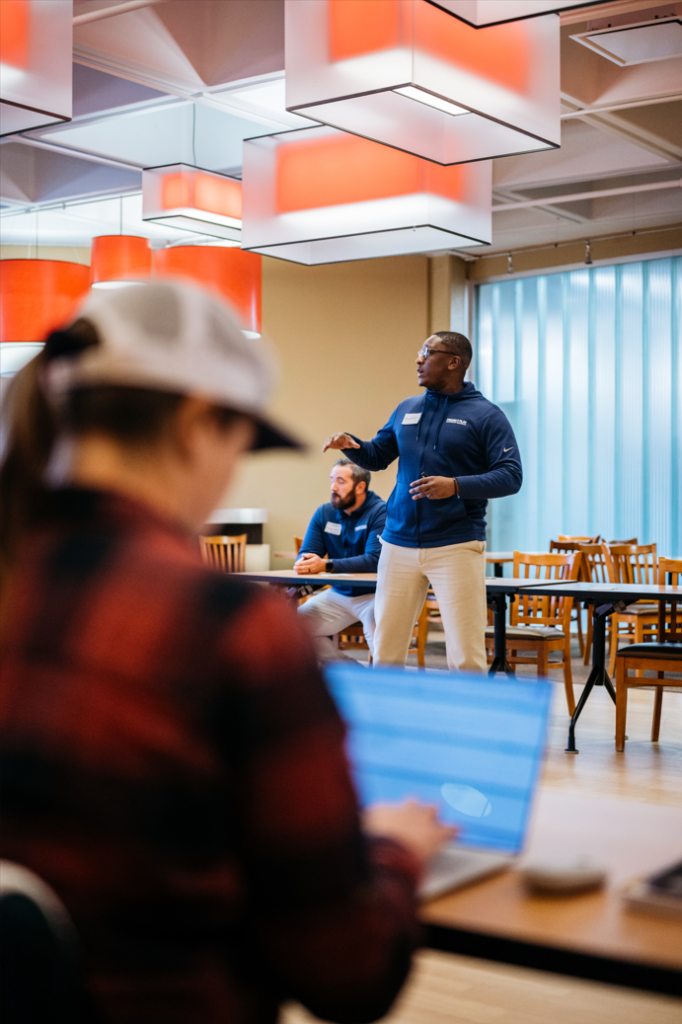
“A child doesn’t necessarily see a Children’s Bill of Rights in Sports hanging on a wall or posted online. What they know is how their coach treats them. They know whether their coach knows their name, whether they feel included, whether they are afraid to make a mistake, and whether they feel like they belong on that team.”
RICKEY JACKSON, JR., PROGRAM MANAGER, PROJECT PLAY: SOUTHEAST MICHIGAN
If you shape a kid’s experience, this is for you!
Project Play’s coach training sessions aren’t sport-specific, and they aren’t only for head coaches. Kids here don’t grow up inside one system, they move between a city recreation department, a school, a club and a nonprofit, so the trainings travel across all seven counties.
“If you’re an adult responsible for creating or influencing a youth sports environment, there is something in these trainings for you,” Jackson says.
Five years from now, Jackson hopes quality coach training is seen as an expectation rather than an extra. “We’re not just developing better coaches,” he says. “We’re creating better environments for young people to grow, belong, and hopefully develop a lifelong relationship with sport and physical activity.”
Ready to get involved?
Explore our upcoming coach trainings and register for a session near you. If your organization hasn’t yet, read the Children’s Bill of Rights in Sports, access a guide helping you understand why this bill matters for coaches and add your endorsement.