Author: Briana Mitchell

  • Active Kids & Healthy Communities: Five Questions with Project Play Partner NW Goldberg Cares

    Photo courtesy of NW Goldberg Cares

    Active Kids & Healthy Communities: Five Questions with Project Play Partner NW Goldberg Cares

    Children thrive when they have healthy, active and fun lifestyles. We spoke to Jordan Yagiela, Director of Programming with Project Play Partner NW Goldberg Cares, about how youth sports change lives, the power of community ownership and their vision for the future of the neighborhood they serve. 

    What is NW Goldberg Cares, and what kind of work does it do?

    JY: We’re a community development organization – basically a fancy term for a nonprofit that really cares about a particular place. For us, that place is NW Goldberg, a historic, majority-Black neighborhood in southeast Detroit. Our founder and executive director, Daniel Washington, and our programming coordinator, Victoria Washington, were both born and raised here. And I’ve lived here since 2018. 

    Our organization builds public spaces and designs programs to fill gaps here in our community. We operate youth and family programs – including sports programs. We also build parks, renovate homes, and do a variety of work to sustain, revitalize, and increase the economic vitality of our community.

    How do your youth sports programs benefit local children and families?

    JY: There aren’t enough opportunities for kids to just exist and be kids, especially in lower-income communities. We launched our PLAY NW GOLDBERG program to support youth development through active, healthy lifestyles, sports, and play in general. Our kids get to enjoy lots of different sports, and they go on all kinds of field trips, from fishing at Belle Isle to a Tigers game and even the Detroit Lions training camp. Best of all, it’s 100% free for their families.

    I’ve seen firsthand the difference this program makes. When we first started, many of the girls weren’t particularly into sports. They would say things like, “I’m not getting on the basketball court or playing football. I just want to dance and make TikTok videos.” But by the time it was over, those same girls were playing flag football and charging onto the basketball court. It was incredible to watch them change their mindsets and think of themselves as athletes. And the boys went from saying, “Those girls are just over there dancing,” to encouraging them and treating them as equals. That really stuck with me. 

    In June, we’re holding an event called SHE GOT GAME, which focuses on uplifting women in sports. It will include a basketball clinic for 50-75 girls, and we’re reaching out to some noteworthy sports figures to come in and talk to the girls. 

    What impact has your organization had on the NW Goldberg community?

    JY: We built Curtis Jones Park and opened it in 2023. Before then, our neighborhood hadn’t had its own basketball court in more than 15 years. Once it opened, the kids from the apartment building across the street were all out there playing. Now, some of them are leaders in our programs and at our events. 

    We may have built the park, but it belongs to the community. Once, our executive director was driving by and saw there was trash all over the park. When he came back to clean it up, the kids and families there asked, “Hey, Mr. Washington, can we help?” Together, they picked up all that trash in 25 minutes. 

    This work isn’t just about changing the built environment. It’s really about building collectively, about changing hearts and minds so the people who live in the neighborhood know this space belongs to them. 

    What are your plans for the future?

    JY: In the short term, we want to keep our programs going. We’ve been lucky to have multiyear investments from partners like the Community Foundation for Southeast Michigan and the Ralph C. Wilson, Jr. Legacy Fund, which makes planning a lot easier. 

    Looking ahead, we’re getting ready to do some unique commercial real estate projects to expand what’s available in our community. Right now, we only have two restaurants – a KFC and Michigan and Trumbull Pizza, which makes the best pizza around. We’ve got a funeral home and a flower shop, and that’s about it in terms of retail. There’s not even a grocery store. NW Goldberg Cares is working to bring more businesses and resources to the community, so local folks can have a place to go grab a cup of soup or a coffee or an ice cream cone. We also want to continue to do residential housing, helping more people and families that live in the neighborhood. 

    Finally, we want to keep offering robust programming and events like SHE GOT GAME or HOOPFEST, a huge, three-day event we do in July. Last year, we had Chris Webber and Jalen Rose as celebrity coaches, and we’re going to try to top that this year. We’ve got plans and a couple of tricks up our sleeve. 

    How can people support your work?

    JY: NW Goldberg Cares has different events that people can come out and volunteer at throughout the year. We even coordinate corporate volunteer days. People can play with kids, work in parks, or live out their HGTV dreams and demo houses. And donations are always, always appreciated. It takes money to do the things that we do, to offer all these great programs and ensure that families don’t have to pay a dime.

    To learn more about NW Goldberg Cares, visit nwgoldbergcares.com.
  • Get to know Lauren Fuller: A Q&A with our newest team member

    Get to know Lauren Fuller: A Q&A with our newest team member

    In November, Project Play welcomed Lauren Fuller as the new Program Manager. Lauren joins the team after serving as the Executive Director of Oakland County Sheriff PAL. She brings a wealth of knowledge and experience supporting youth through sports, play and out-of-school time programming. Lauren has been a longtime partner and we are thrilled to have her leadership and expertise to help advance our work.

    Lauren recently sat down with Briana Mitchell, Program Communications Officer, to talk about her experience and what she’s looking forward to in her new role.

    Briana: Can you share a bit about your background and how it led you to Project Play?

    Lauren: My background has really led me exactly to this moment. After college, I became a teacher and quickly realized that the ability to create more personalized relationships and provide youth with the individualized opportunities they deserve was a challenge to do in the traditional classroom. So, I quickly moved into the out-of-school time space and have spent time from very grassroots organization with no staff and no budget to larger organizations such as the YMCA of Metropolitan Detroit doing curriculum development and staff facilitation. Out-of-school time programs really gave me a broad perspective of southeast Michigan and all of its unique and beautiful needs, challenges and opportunities that I spent four years as the executive director of Oakland County Sheriff PAL, a free police-athletic league serving primarily Pontiac and a broader Oakland County with sports, recreation and mentoring opportunities.

    After two weeks of being in this new position at PAL, I was feeling really nervous, wasn’t sure if I knew exactly what I was doing and I was connected with someone from Project Play of the Community Foundation for Southeast Michigan. It was through that initial conversation and the recommendation to try applying for the Legacy grants. I’d never written a grant independently. That experience really kind of launched my professional development and the organization’s professional development.

    We received those Legacy grants that year, but it also ignited other conversations with other funding partners and program partners and I began actively working with Project Play to build capacity both within our organization and was just always super curious about how to make things happen for the entire region. Collaboration started as a means of survival and then really turned into our organization thriving. I can link back almost 90% of the opportunities, from financial support to trainings, back to that single conversation that took place four years ago with the grant officer from the Community Foundation.


    Briana: What excites you the most about working for Project Play?

    Lauren: The thing that excites me the most is really focusing on that collective impact and collaboration with an issue as large as leveling the playing field for youth opportunities in the out-of-school time space for sports and play. We really have to think about it from a collective impact lens. I’ve had the opportunity to work hand-in-hand with a lot of these community partners that are part of Project Play and have the opportunity to meet and work with a lot more and I truly believe in everybody’s assets as individuals as well as organizations to work together. Everybody brings such unique strengths to the table. To be part of the opportunity to convene people and share those ideas and solutions together is incredibly exciting. Working with an organization like the Community Foundation for Southeast Michigan that has a level of trust within the broader community is very exciting for me as well. Lots of new learning opportunities that I haven’t had the chance to engage in any position before.


    Briana: What are your hopes for the future of youth sports in southeast Michigan?

    Lauren: Some of my biggest hopes are ensuring that every single child, regardless of ability level, income level or any other factors that might limit participation, have not only a variety of programs that they can engage and participate in, but that support them through their childhood and use development experience. I think there’s so many great opportunities that exist out there and being able to ensure that every child and family knows about them.

    You know, oftentimes we kind of self-select what kind of people our children are going to be and I really want to broaden the opportunities so that they can have a voice in what they want to do, you know, the opportunity to make different friends, the opportunity to try different things and learn from a variety of caring adults. It’s all possible. It’s all happening in small pockets but really building the capacity to ensure that it’s happening for every child at every level of their sports or play journey, period.

    Briana: How can we Project Play approach supporting coaches so that they can better support young athletes?

    Great question. Obviously, high-quality coaches are a linchpin in the success of sports and play-based programs and a variety of other things in our region. I think the number one thing is we need to help more adults see themselves as coaches. I think the narrative is traditionally if you didn’t play at a high level of a particular sport, then you don’t have the authority to coach children. Especially at those younger levels of influence, if you love children and are willing to learn, chances are any other skill can be taught. If we help more people change the narrative to see themselves as coaches, I think that will activate a lot of people, including myself.

    Briana: We know that national trends and studies show that girls are less active than boys in youth sports. Project Play has a goal of getting more girls in the game. How important is it for you as a woman in this space to show up and empower young girls? What can others do to get more girls active in the game?

    I think it goes back to what we were talking about earlier — it’s really reframing the narrative of what it means to be an athlete or a coach. The adults need to be part of this narrative reframing. The current narrative is that being involved in sports is a means to an end, and that end is participating in high school or collegiate sports. There are many other inherent values of being part of sports or being active, like meeting other kids, learning about teamwork, building work ethic, feeling supported, improving emotional and mental resilience. I think helping young women understand all of those benefits of being involved in sports and ensuring that all our people leading those programs also are in alignment with those values and really leading with those firsts is going to be paramount to getting more girls in the game. It’s easy to start a girls-based program, but how do we gain and retain kids through that program? How can we continue to support them through that journey? We have a lot of girls that try out and don’t make that middle school team — they’re done for the rest of their lives. How do we catch those young people and provide additional opportunities for them?

    As a female leader in the space, I’m helping with that and reframing the narrative of what it means to be a female leader in the realm of sports and activity. You want to retain and support female coaches and staff. We want to educate all male coaches and staff about why this is important as well and why creating opportunities specifically for young ladies is valuable. We also want granting partners to give folks a bit more flexibility to try things out and build new programs that support girls in sports. These are all things that I think are important and definitely within our realm of possibility.

    Briana: What activities or hobbies energize you outside of work?

    Lauren: We foster a lot of dogs! I’m very big into animal rescue, specifically dogs. We have fostered more than 75 dogs in the past 18 months. I’m not sure if it energizes me, motivates me or if it takes a lot of energy, but it definitely keeps us on our toes. It’s kind of like a full family investment in helping with that. So that’s a big piece of who I am and our identity as a family.

    Want to connect with Lauren? Click below to send her a welcome email!

  • Breaking Barriers, Building Confidence: Girls Sports Sampling Clinic Returns for Year Three 

    Breaking Barriers, Building Confidence: Girls Sports Sampling Clinic Returns for Year Three 

    For many children in southeast Michigan, access to safe and affordable sports and recreational activities is hindered by significant barriers — ranging from lack of transportation and high participation costs to limited community resources. These challenges can make play and movement through sports feel out of reach. For girls, the hurdles are even higher. A lack of confidence, proper sports gear and relatable role models contribute to an alarming trend of girls dropping out of sports at twice the rate of boys. 

    Since 2022, Project Play Southeast Michigan has been working to change that trend through its signature Girls Sports Sampling Clinic, an initiative designed to eliminate those barriers and create pathways for girls to stay engaged in physical activity. 

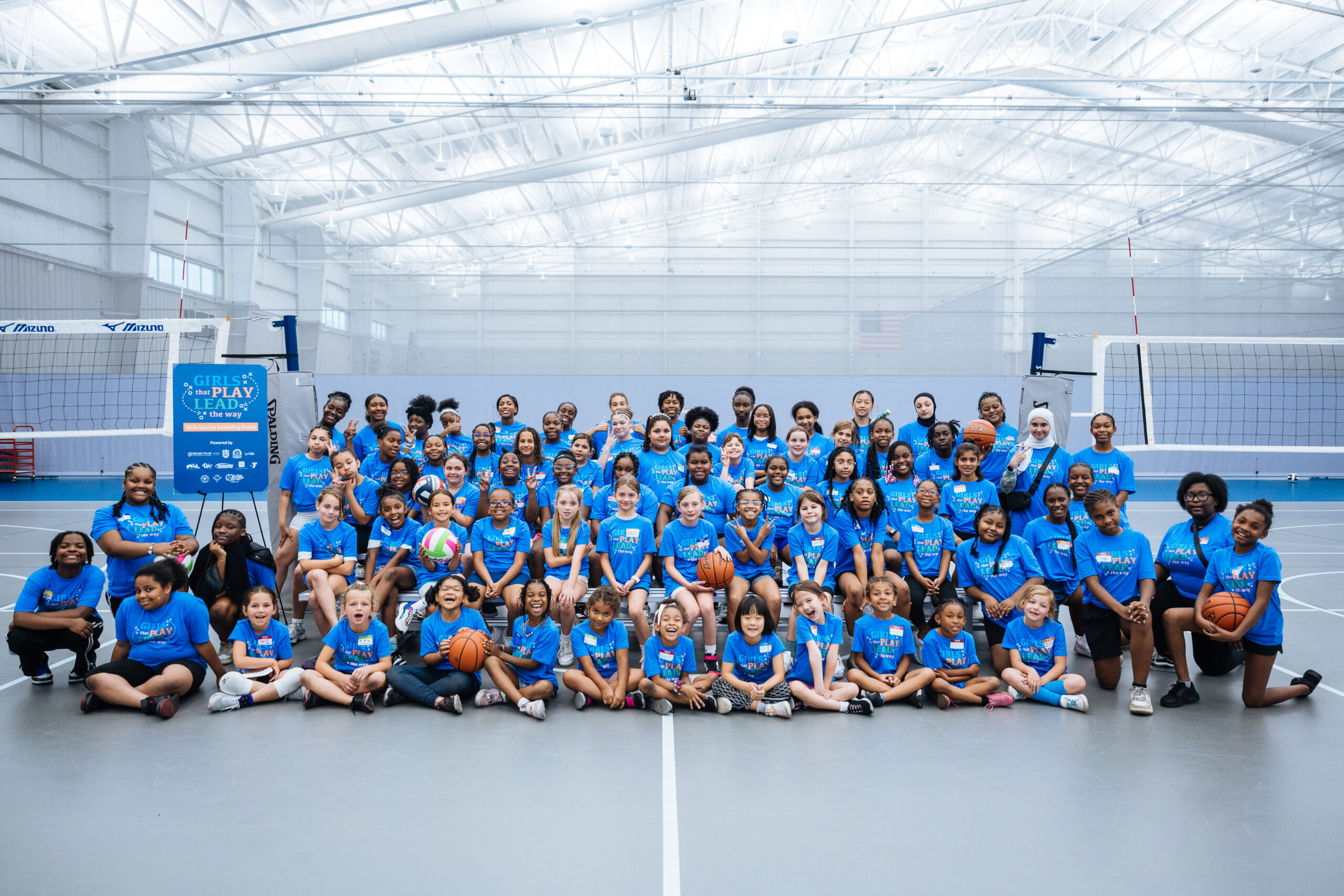
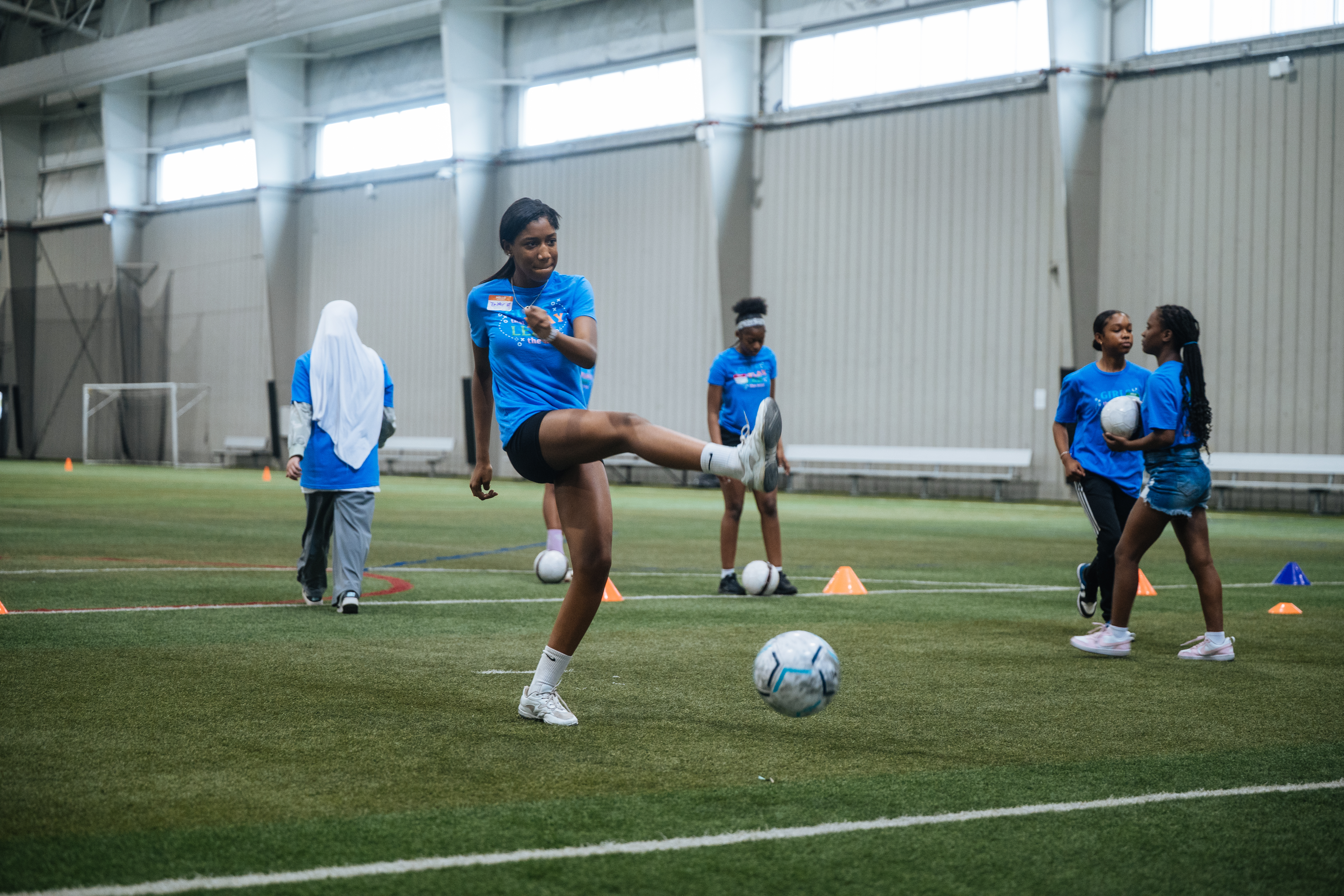
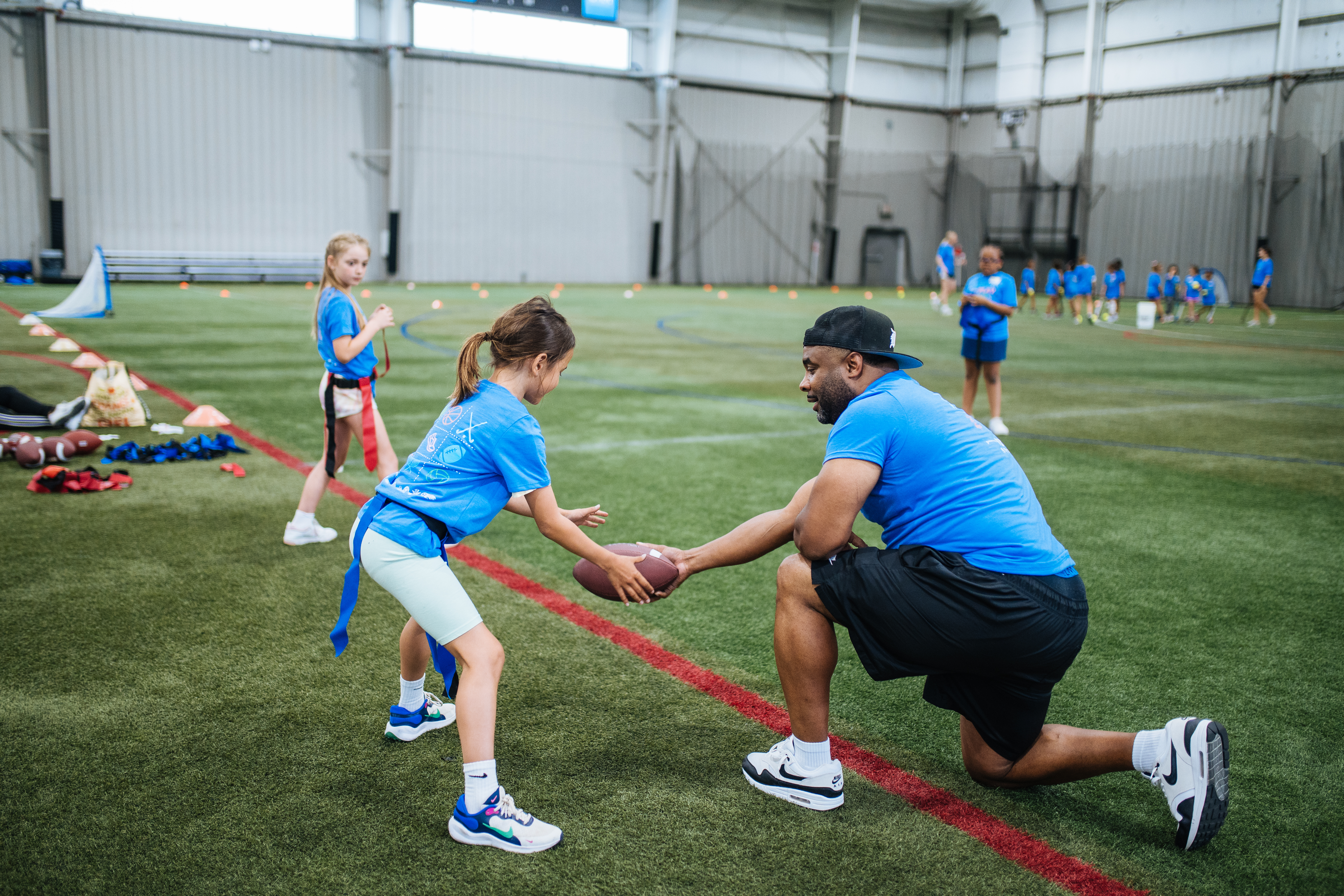
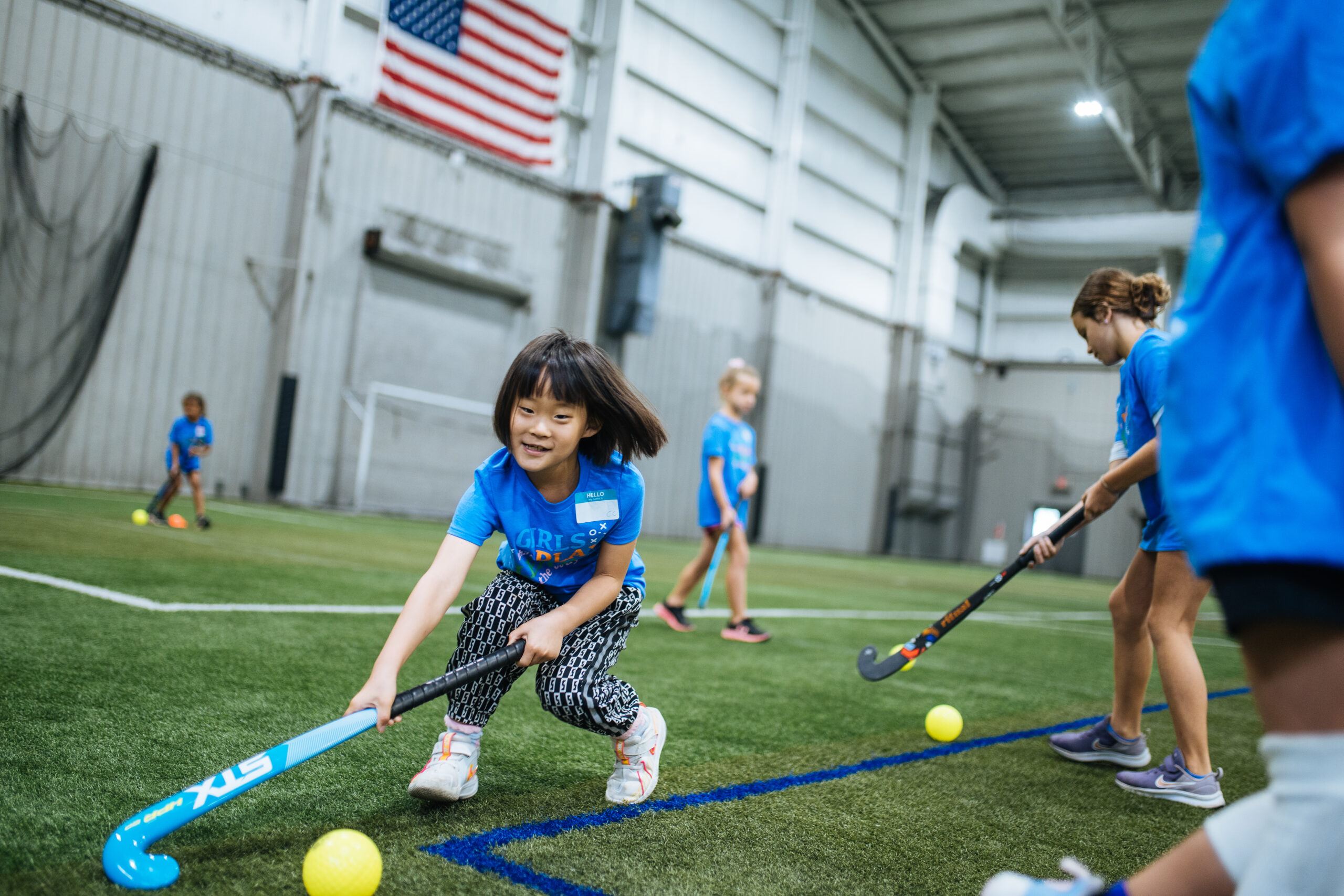
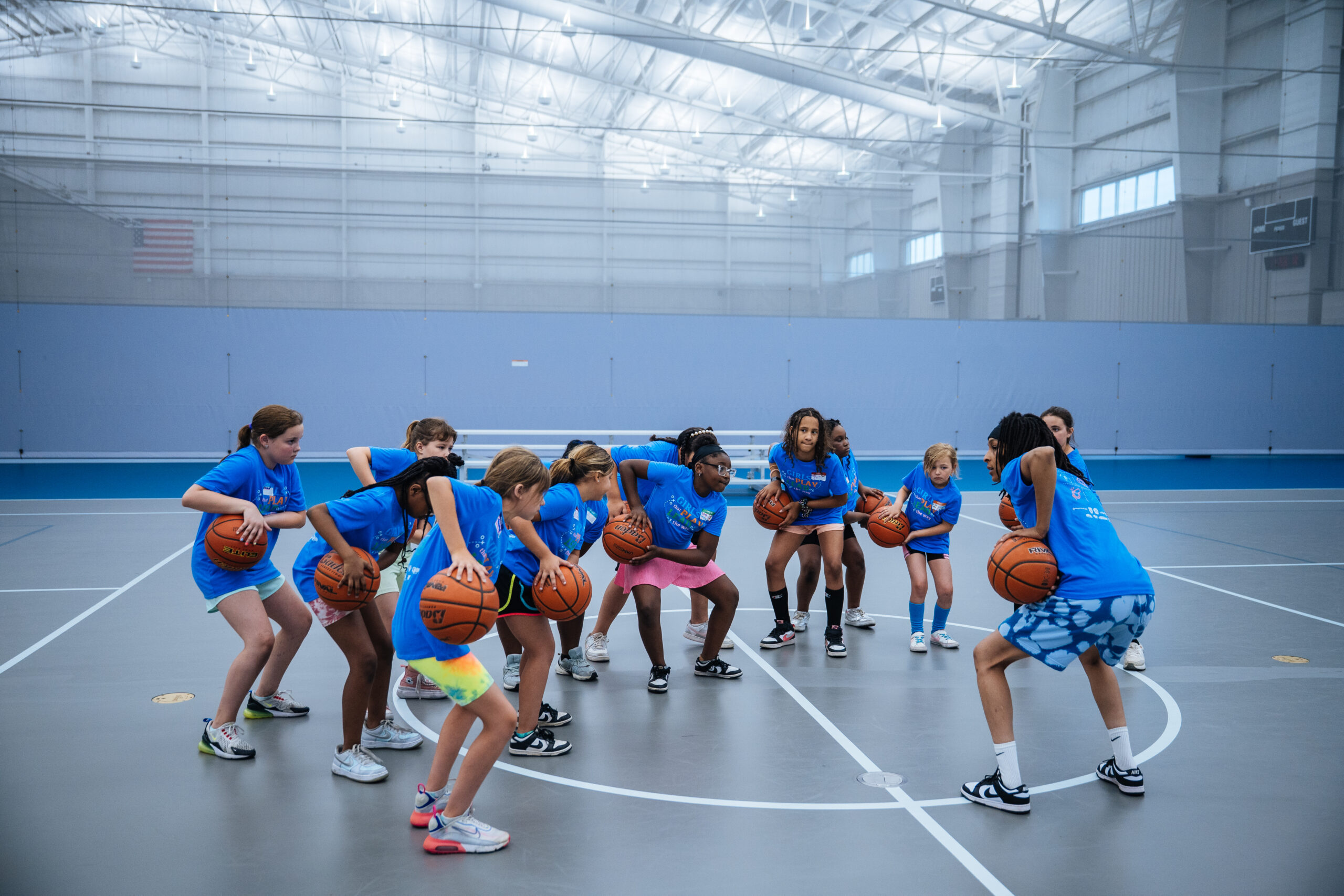
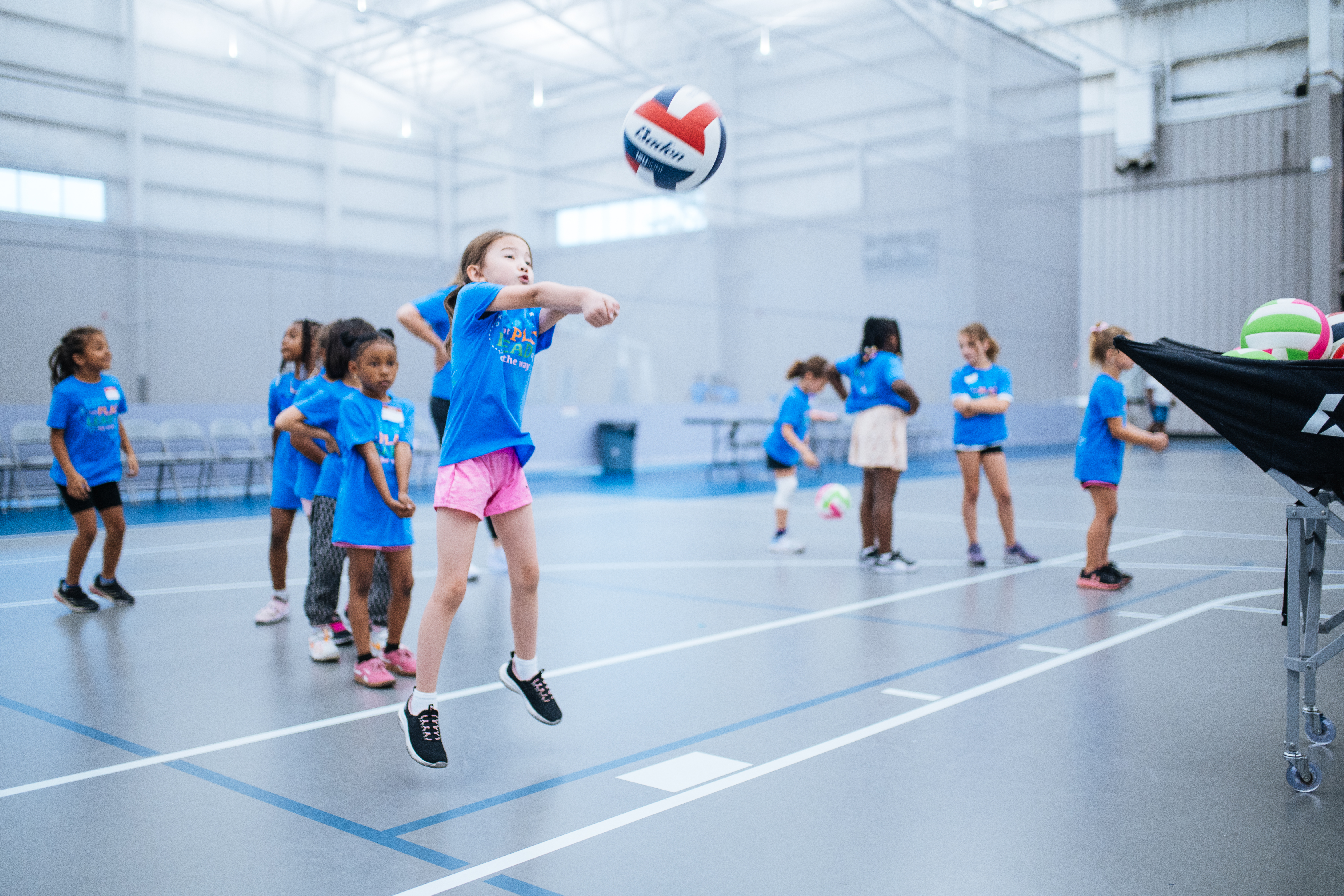
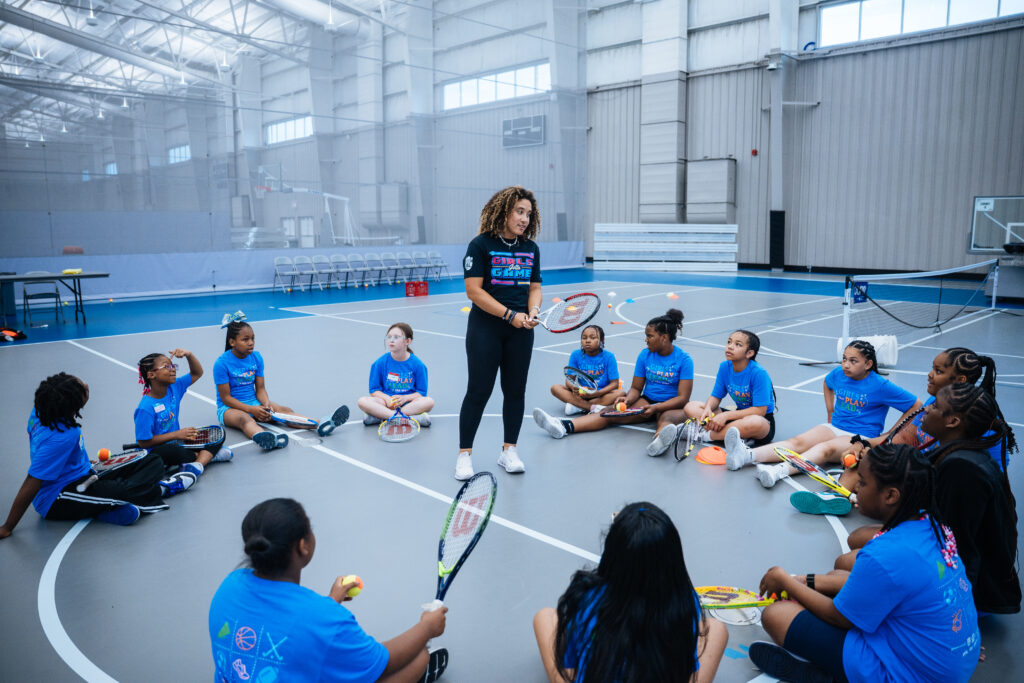
    Now in its third year, the free clinic coincided with the 53rd anniversary of Title IX, a landmark law that helped level the playing field for girls in sports. This year, more than 100 girls in grades 3–8 gathered on June 21 at the United Wholesale Mortgage Sports Complex in Pontiac for a day of discovery, play and empowerment. Participants had the opportunity to explore seven sports — volleyball, soccer, basketball, tennis, field hockey, flag football and cheerleading — thanks to expert facilitation by Project Play partner organizations. 

    “What makes the Girls in Sports event so amazing is seeing young ladies from all over the region come together to try new ways to be active in a day that is designed not just to include girls, but to be exclusively built for them,” said Lauren Fuller, executive director of Oakland County Sheriff PAL and a Project Play partner. “It’s a safe, supportive environment where girls can try new things, make new friends, and potentially discover a sport they never considered before. Nationally, girls are dropping out of sports at a much higher rate than boys, so creating events that both raise awareness and offer real opportunities is incredibly important.” 

    This year’s theme — “Girls that Play, Lead the Way” — celebrated exploration, leadership and confidence-building through sports. The clinic was completely free, reinforcing the message that all girls deserve a chance to play. The experience also championed the importance of sports sampling, a practice that offers wide-ranging benefits including improved motor skills, reduced burnout and increased confidence and leadership ability. According to the Aspen Institute’s State of Play 2024 Report, the average number of sports regularly played by children ages 6–17 dropped by 13% since 2019 — a trend Project Play is working to reverse. 

    “Our clinic gives girls the chance to try — try new sports, try meeting new people, and try being a leader,” said Pat Sharrow, director of Project Play Southeast Michigan. “By the end of the day, they left more confident and empowered, ready to apply those skills both on and off the field.” 

    The event wrapped up with smiles, shaved ice, and swag bags from Project Play and its partners — marking the end of a day full of joy, curiosity and growth. 

  • Creating Equal Play: Fostering Inclusion in Youth Sports

    Creating Equal Play: Fostering Inclusion in Youth Sports

    Fostering inclusion in youth sports is crucial for creating equitable opportunities for all children, regardless of their abilities. In Southeast Michigan, Kids On the Go stands out as a Project Play grantee partner dedicated to this mission. Their programs focus on recognizing and facilitating the goals of children with special needs through therapeutic and wellness activities. By offering tailored support and creating an inclusive environment, Kids On the Go ensures that every child can participate, thrive, and build connections through sports.

    Creating spaces where children of all abilities can be active and enjoy camaraderie is essential for fostering a sense of belonging and community. Kids On the Go not only helps children develop their skills but also promotes the joy of participation and the value of teamwork. By breaking down barriers and providing adaptive programs, they make sports accessible to everyone, reinforcing the idea that every child deserves the chance to experience the benefits of physical activity and social interaction.

  • Building Tomorrow’s Leaders: Enhancing Leadership Skills with Sports

    Building Tomorrow’s Leaders: Enhancing Leadership Skills with Sports

    Enhancing leadership skills through sports is a powerful way to prepare youth for future success, both on and off the field. In Southeast Michigan, Project Play grantee partners like Peace Players Detroit, Racquet Up Detroit, and Detroit Horse Power are committed to this mission. These organizations use sports as a platform to teach essential leadership qualities such as teamwork, responsibility, and resilience. By fostering these skills, they empower young people to become confident, capable leaders in their communities.

    Investing in youth leadership goes beyond physical training; it’s about mentorship and empowerment. Programs like those offered by our grantee partners, provide young athletes with role models who guide them in making positive choices and overcoming challenges. Peace Players Detroit, Racquet Up Detroit, and Detroit Horse Power focus on ensuring that all youth, regardless of their background, have access to these opportunities. Together, these organizations are shaping a generation of leaders who are ready to make a difference both in the game and in their lives.

  • Empowering the Next Generation: The Impact of Sports on Young Girls

    Empowering the Next Generation: The Impact of Sports on Young Girls

    Empowering young girls through sports is essential for fostering leadership, confidence, and resilience. In Southeast Michigan, Project Play grantee partners like Figure Skating Detroit and Detroit United Lacrosse are at the forefront of this mission. These organizations provide girls with the opportunity to not only excel in their chosen sports but also to develop critical life skills that will serve them well beyond the field or ice rink. By creating supportive, inclusive environments, these programs help girls build self-confidence, teamwork, and a strong sense of identity.

    The impact of sports on young girls extends far beyond physical fitness. Through the guidance and mentorship offered by Figure Skating Detroit and Detroit United Lacrosse, girls learn to overcome challenges, set and achieve goals, and develop leadership qualities that will empower them throughout their lives. These programs are not just about creating athletes; they are about shaping future leaders who are confident in their abilities and ready to take on the world.

  • Breaking Barriers: Increasing Access to Sports for Youth

    Breaking Barriers: Increasing Access to Sports for Youth

    Access to sports and free play is a crucial component of a child’s development, yet many youth in Southeast Michigan face significant barriers to participation. Organizations like Detroit PAL, Oakland County Sheriff PAL, and Breaking Barriers to Play are leading the charge to ensure that all children, regardless of income, zip code, or socio-economic status, have the opportunity to engage in safe, equitable, and affordable sports programs. By removing systemic barriers, these Project Play grantee partners are not only fostering physical health but also building community, enhancing leadership skills, and providing a sense of belonging for countless young people.

    Our partner organizations understand that every child deserves the chance to play and thrive. Detroit PAL and Oakland County Sheriff PAL work tirelessly to create inclusive environments where kids can develop their athletic abilities and personal growth. In Macomb, Breaking Barriers to Play focuses on eliminating the obstacles that prevent children from accessing these vital programs. Together, these organizations are making a lasting impact, ensuring that every child has the opportunity to experience the joy and benefits of sports.