Author: Brittany Thomas

  • A Year of Play, Powered by Community

    A Year of Play, Powered by Community

    What a year it has been! Across southeast Michigan, coaches, families, youth sports organizations and partners came together around one shared goal of making sure every kid has the chance to play, grow and thrive. The numbers below tell part of that story, and every one of them represents real people showing up for kids.

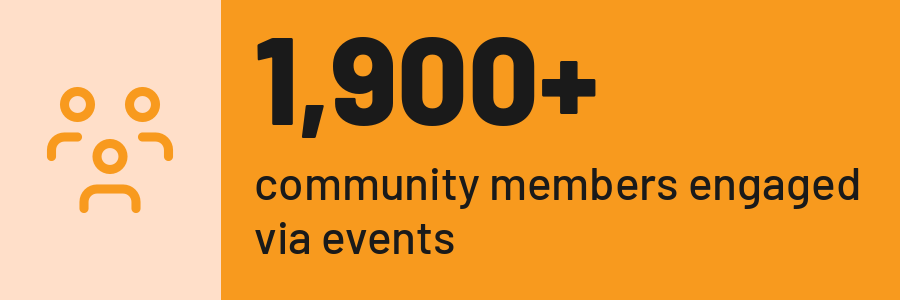
    Through Playmaker Support funds and Ralph C. Wilson, Jr. Legacy Grants, more than $380,000 went to 39 organizations working on the ground in their communities. The programs we sponsored reached over 7,500 young people, opening doors to new sports, safer spaces and more chances to simply have fun. More than 130 coaches sharpened their skills through trainings, virtual learning sessions and workshops, bringing what they learned back to the kids they serve every day. Over 1,900 community members joined us in person at events like our Girls in Sports Title IX Celebration and the Detroit Youth Sports Showcase, where the energy on the field reminded us why this work matters.

    Behind it all is our 11-organization partnership team, collaborating across organizations to keep kids at the center of everything we do. Thank you to every coach, parent, partner and champion who helped make this year possible. We’re just getting started, and we can’t wait to see what 2027 brings.

    Girls in Sports: Title IX Celebration

    On June 26, more than 150 girls ages 5–14 took over the United Wholesale Mortgage Sports Complex in Pontiac for our fourth annual Girls in Sports: Title IX Celebration — our biggest and most attended clinic yet. Across eight sports and activities, girls explored, competed and discovered new passions in a space built entirely for them, on the 54th anniversary of the landmark legislation that made it all possible. Stations led by Project Play’s partner organizations introduced girls to everything from rugby and pickleball to soccer and field hockey, with engaged coaches keeping the energy high.

    Unite to Ignite: Southeast Michigan Youth Sports Summit

    On April 24, nearly 200 youth sports coaches, advocates, development professionals and community leaders gathered at the Wayne State University Fieldhouse for our second annual Unite to Ignite Youth Sports Summit, more than doubling year one’s attendance for a day of panels, guest speakers and connection. Highlights included a proclamation from Detroit Mayor Mary Sheffield endorsing the Children’s Bill of Rights in Sports, the launch of a new PSA with all four Detroit professional sports teams and more than $363,000 in legacy grants awarded to nonprofits across the region advancing youth sport and play.

    The Children’s Bill of Rights in Sports Lands in Southeast Michigan

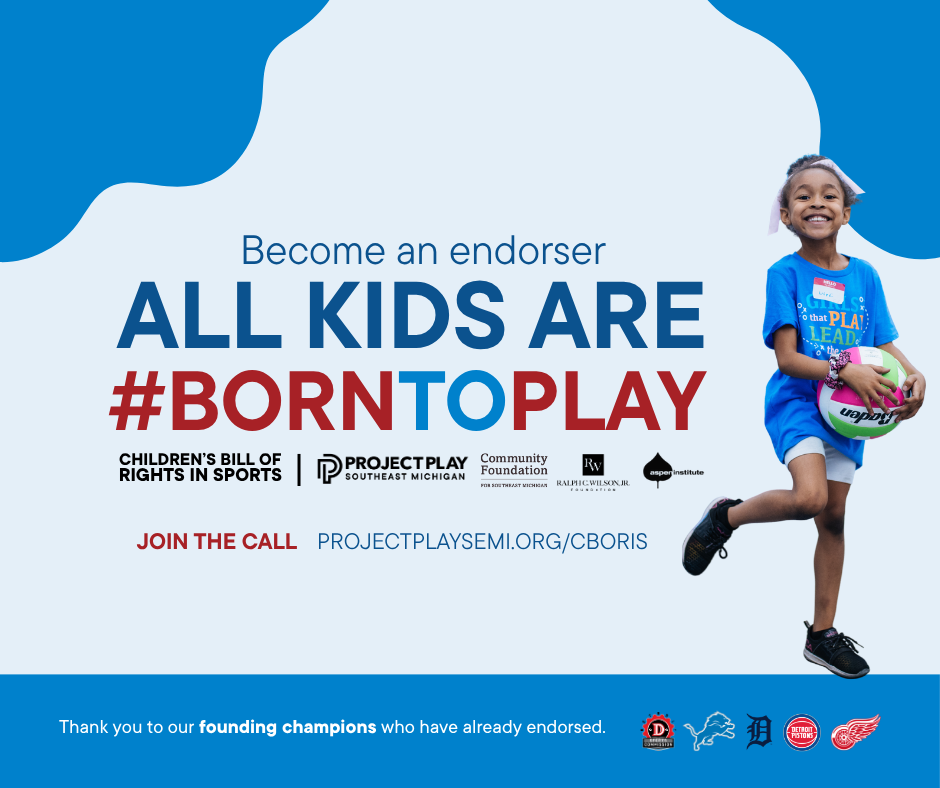
    This year, Project Play: Southeast Michigan united the Detroit Lions, Pistons, Red Wings and Tigers with community partners behind the Children’s Bill of Rights in Sports, a national framework affirming every child’s right to safe, positive and developmentally appropriate sport and play. Supported by the Ralph C. Wilson, Jr. Foundation and the Detroit Sports Commission, a regional PSA invited the community to endorse the bill. The response spanned all seven counties, with more than two dozen organizations endorsing the bill and serving an estimated 24,000 to 49,000 youth each year, with funding and coach training topping their requests for support. When a community unites around its children, meaningful change follows.
    Coach Trainings

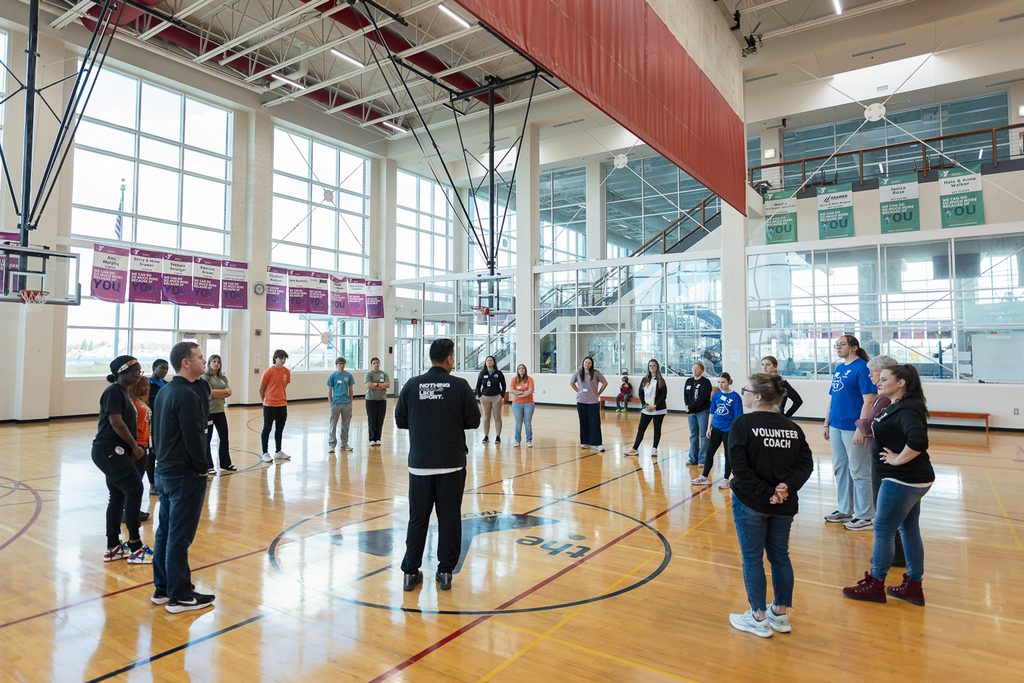
    The best way to improve a child’s experience in sports is to invest in the adults who shape it. This year, Project Play: Southeast Michigan trained more than 130 coaches across all seven counties in our region through free programs like Beyond the Game: Coach Development Workshop and the Coaching the Whole Athlete Series. Working alongside the Positive Coaching Alliance, the U.S. Soccer Foundation, the National Recreation and Park Association and the Center for Healing and Justice through Sport, we reached staff and coaches whose combined footprint touches more than 2,000 young people in Detroit alone.

    Detroit Youth Sports Showcase

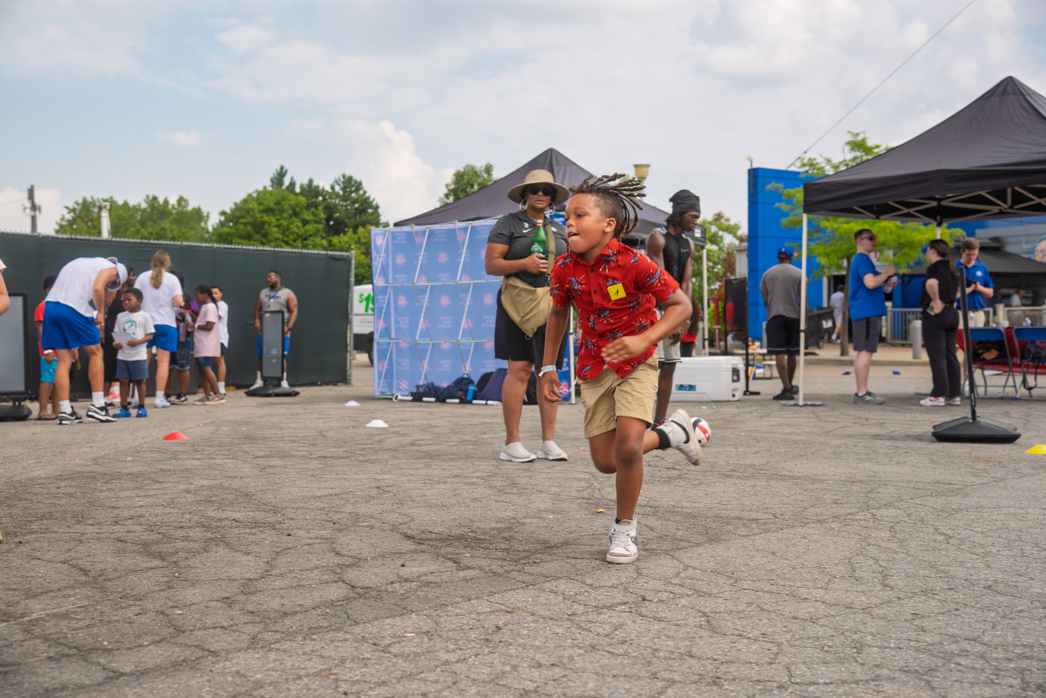
    On August 15, Project Play and the Detroit Riverfront Conservancy co-presented the free Detroit Youth Sports Showcase at Ralph C. Wilson, Jr. Centennial Park as part of Metro Detroit Youth Day, led by the Boys & Girls Clubs of Greater Detroit, bringing together 33 supporting organizations, including Detroit’s four major professional sports teams, and more than 20 staff volunteers. The day drew 1,200 total participants, including 500 youth and their families, who sampled 19 sports and activities, from basketball, tennis and field hockey to chess, robotics and skateboarding.
    Partnership Team

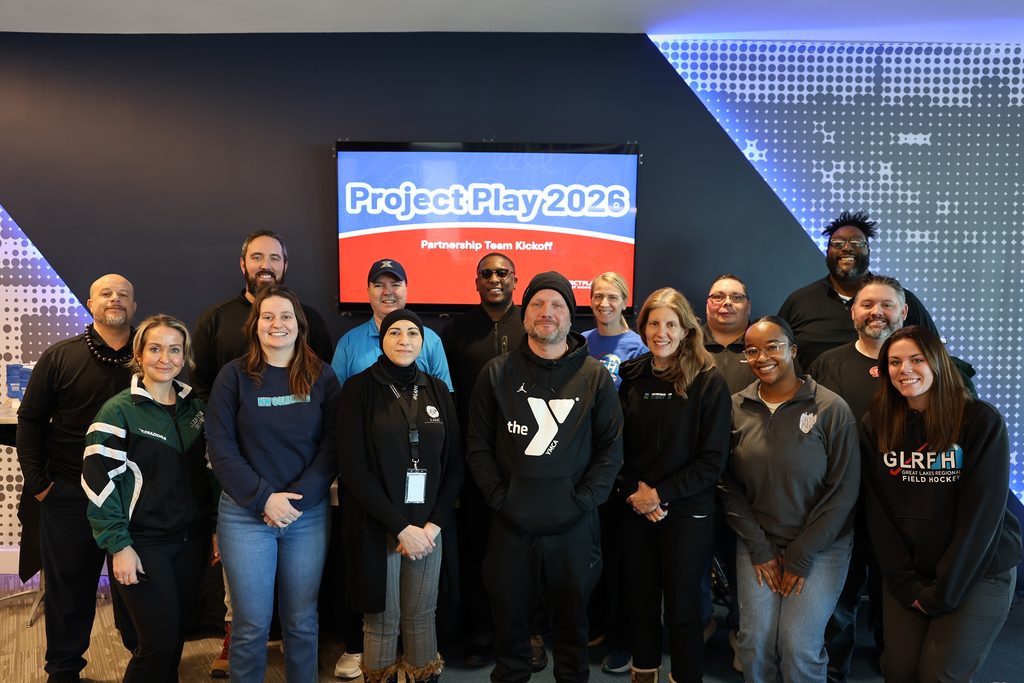
    Behind much of this year’s progress is our partnership team: 11 youth-serving organizations that together serve nearly 40,000 young people across southeast Michigan. Members piloted the Playmaker Support initiative to bring events to their communities, leading Power Hours and in-person sessions that reached more than 1,400 registrants on topics from revitalizing in-town leagues to whole-child development. They also hosted coach trainings and helped grow endorsements for the Children’s Bill of Rights in Sports. Every member surveyed rated the experience highly or extremely beneficial, and all 11 partners expressed interest in working with us again next year.

    Every number on this page started with someone who chose to show up for kids. Whether you coach, lead a program, cheer from the sidelines or fund the work, there’s a place for you on our team.
  • A Child Doesn’t Necessarily See the Children’s Bill of Rights in Sports on a Wall. What They Know Is How Their Coach Treats Them.

    A Child Doesn’t Necessarily See the Children’s Bill of Rights in Sports on a Wall. What They Know Is How Their Coach Treats Them.

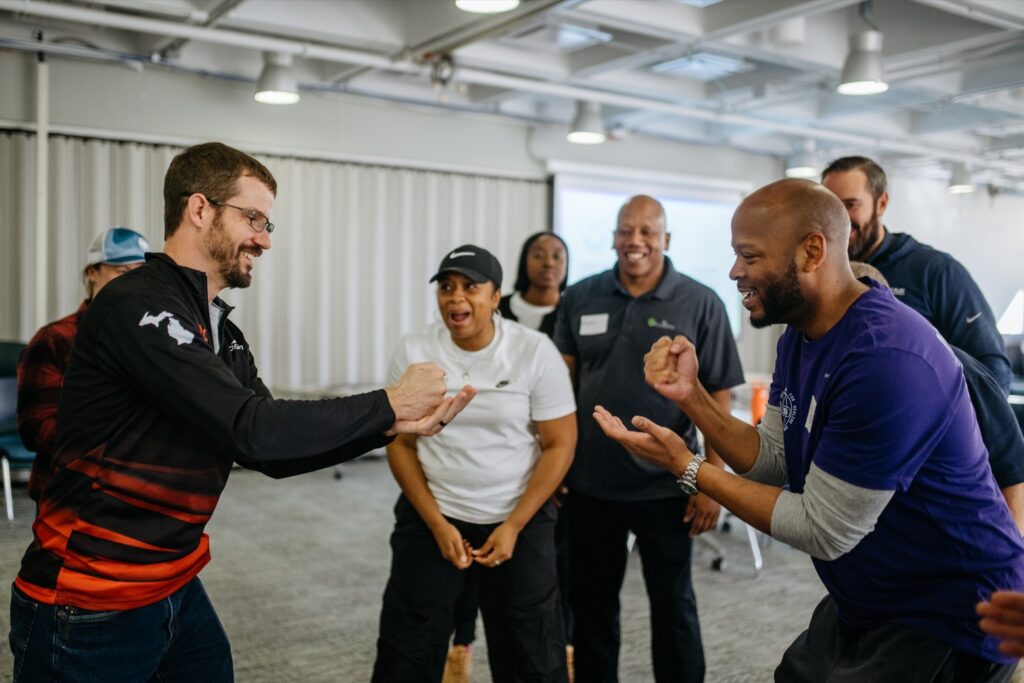
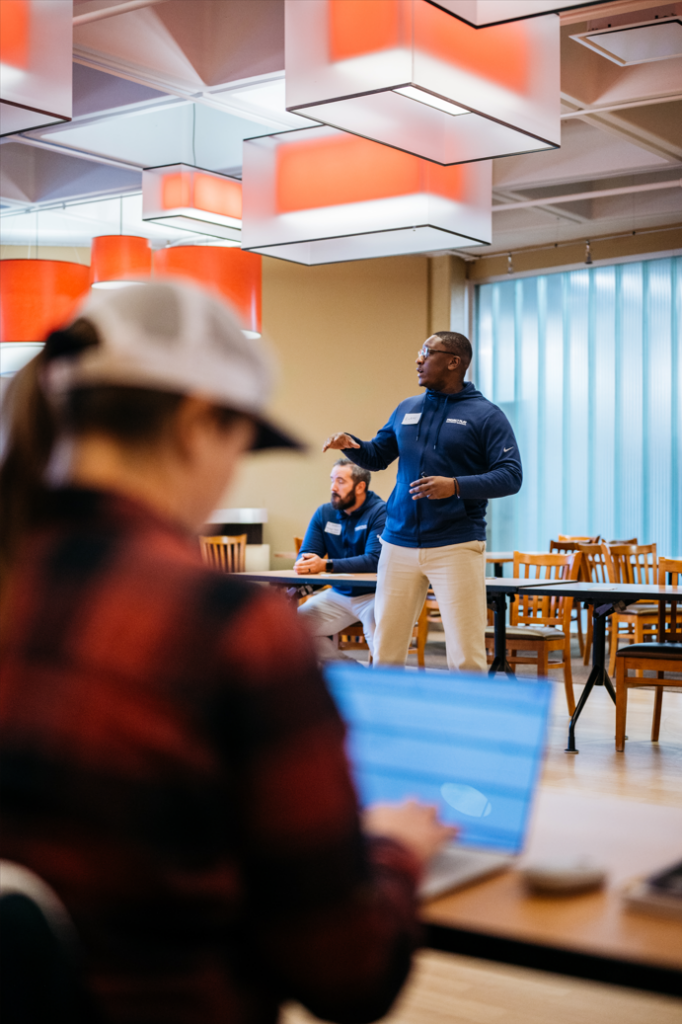
    Walk into a Project Play: Southeast Michigan coach training, and nobody is sitting still.

    “One thing we really want to avoid is having coaches come in, sit down for several hours, listen to someone talk at them, and then leave,” Project Play Program Manager Rickey Jackson, Jr. says. “From the beginning, coaches are moving, talking with one another, participating in activities, and thinking about situations they encounter with young people.”

    What they work on isn’t the Xs and Os. It’s connection, belonging, resilience, communication and a reflection on how much the environment an adult creates shapes what a young person carries away from a sports season. Most coaches arrive expecting something smaller.

    The Children’s Bill of Rights in Sports, launched across our region this year with all four of Detroit’s professional sports teams, the Detroit Sports Commission and partners throughout southeast Michigan, says every child has the right to qualified program leaders. Which raises the question: qualified how?

    “We have a lot of people coaching youth sports because they care about kids and want to give back,” Jackson says. “That’s a great starting point. Our responsibility is to make sure we’re also giving those adults the tools and training they need to turn that good intention into a positive experience for every child they serve.”

    A qualified coach understands the job is bigger than the sport. The focus is on communicating with young people, building relationships, creating a safe and welcoming environment, and recognizing that every child may need something different.

    The investment began with a survey. Organizations across southeast Michigan told us what they needed, including positive coaching and youth development, conflict resolution and communication, trauma-informed approaches and relationship building. They named time and cost as barriers.

    “If we want to improve the youth sports experience for kids, we have to invest in the people who interact with them every day,” Jackson says.

    That’s one of the Aspen Institute’s 8 Plays: Train all coaches. In southeast Michigan, it means Project Play investing in partnerships that bring strong curriculum into communities and take the price tag off, most recently with the Positive Coaching Alliance, the U.S. Soccer Foundation, the National Recreation and Park Association and the Center for Healing and Justice Through Sport.

    Coach training is where that translation happens, and its reach runs well past the training facility. For example, through work with Detroit Parks & Recreation, Project Play: Southeast Michigan has trained staff and coaches whose combined footprint touches more than 2,000 young people across the city.

    “A child doesn’t necessarily see a Children’s Bill of Rights in Sports hanging on a wall or posted online. What they know is how their coach treats them. They know whether their coach knows their name, whether they feel included, whether they are afraid to make a mistake, and whether they feel like they belong on that team.”

    RICKEY JACKSON, JR., PROGRAM MANAGER, PROJECT PLAY: SOUTHEAST MICHIGAN

    Project Play’s coach training sessions aren’t sport-specific, and they aren’t only for head coaches. Kids here don’t grow up inside one system, they move between a city recreation department, a school, a club and a nonprofit, so the trainings travel across all seven counties.

    “If you’re an adult responsible for creating or influencing a youth sports environment, there is something in these trainings for you,” Jackson says.

    Five years from now, Jackson hopes quality coach training is seen as an expectation rather than an extra. “We’re not just developing better coaches,” he says. “We’re creating better environments for young people to grow, belong, and hopefully develop a lifelong relationship with sport and physical activity.”

    Explore our upcoming coach trainings and register for a session near you. If your organization hasn’t yet, read the Children’s Bill of Rights in Sports, access a guide helping you understand why this bill matters for coaches and add your endorsement.

  • From Not Putting Her Face in the Water to a Lifetime of Confidence: How the Blue Water YMCA Builds Kids for Good.

    Photo courtesy of the YMCA of the Blue Water Area

    From Not Putting Her Face in the Water to a Lifetime of Confidence: How the Blue Water YMCA Builds Kids for Good.

    She wouldn’t put her face in the water. Wouldn’t go past four feet. At 13, she’d technically aged out of group swim lessons, and because of her medical history, she’d never had the chance to learn. Her father had one hope, that she’d feel confident enough to go to a pool party with her friends.

    Paired with one of the Y’s most experienced instructors, she started meeting once a week for private lessons. First, her face in the water. Then floating. Then treading water. Eleven months and 24 hours of instruction later, she was swimming independently, no floatie required.

    “She didn’t just learn how to swim,” says Ajanae Coody, Pool Operations Director at the YMCA of the Blue Water Area. “She gained the confidence to participate in experiences she had previously missed out on.”

    It’s a small story in some ways, seemingly centering one girl, one goal and a whole summer’s worth of Tuesdays. But it’s also the whole philosophy of the Blue Water Y wrapped into a single kid. Meet them where they are, clear whatever’s in the way and watch them surprise themselves.

    The Journey Starts Early

    For a lot of families in Port Huron and the greater Blue Water Area, that journey kicks off young, sometimes as early as six weeks old in the Y’s Child Care Center and sometimes with an infant’s very first swim lesson. From there, kids graduate into youth sports, fitness programs, camp, Y on the Fly and enrichment offerings, with plenty going on to join competitive swim teams and advanced programs.

    And here’s the fun part. For a lot of kids, the story doesn’t end when they age out of programming. It loops right back around.

    “Some of our best staff members started as Y kids, and that’s one of the things we’re most proud of. Watching children grow up at the YMCA and become the next generation of leaders in our community is truly the driver of our work.”

    DeAmber Trout, Youth Activities Program Director, YMCA of the Blue Water Area

    Teaching the Whole Kid, Not Just the Skill

    Ask the Y what it’s really teaching in a youth sports league or a cooking class, and the answer isn’t “volleyball” or “how to make dinner.” It’s teamwork. It’s problem-solving. It’s self-expression. Broadly, it’s full youth development. Confidence and strength that remains long after the final whistle blows, showing up at school, in friendships and in everyday life.

    “Even in swim lessons, a child may come in afraid of the water and leave with confidence that carries over into school, sports and everyday life,” says Coody. “The pool parties they were once afraid to attend become something they look forward to. Can you imagine how that’s showing up in areas of their lives outside our doors?”

    That philosophy shows up most vividly at the pool. A kid who arrives terrified of the water and leaves swimming on their own isn’t just checking a skill off a list. They’re rewriting how they experience the world entirely.

    Clearing the Way So Every Kid Gets a Shot

    None of this works if cost gets in the way first. Through programs like Financial Assistance and Prescribe the Y, the organization ensures a family’s financial situation never decides whether a child learns to swim, plays a sport or finds a place where they feel they belong. Partnerships with schools, healthcare providers and community organizations stretch that reach even further.

    “When we invest in removing barriers today, we’re investing in healthier kids, stronger families and a stronger community tomorrow.”

    DeAmber Trout, Youth Activities Program Director, YMCA of the Blue Water Area

    A Community Built on Familiar Faces

    Ask anyone who’s spent real time at the Blue Water Y what sets it apart from a typical gym, and the answer almost always comes back to people, not equipment. Staff and volunteer coaches are trained to mentor, not just to teach a sport. Plenty of them are Y members themselves, bumping into their players in the hallway or on the treadmill next door. Staff coach the same kids season after season, building relationships that outlast any single program on the calendar.

    “To me, the YMCA is all about relationships,” says Trout. “We stress the importance of building trust, creating positive relationships and making sure every child feels like they belong.”

    That sense of belonging doesn’t clock out at the front doors either. The Y shows up at community events, school programs and festivals all year long, a running reminder that support doesn’t come with an expiration date tied to a session schedule.

    Room to Try, Flop and Grow

    From Camp Wanacombak to programs held outside school hours, the Y builds in plenty of space for kids to try something brand new without the pressure to be instantly great at it. Whether climbing a wall, picking up a paintbrush for the first time or giving archery a shot. Not every experience turns into a lifelong passion, but every single one teaches a kid something new about themselves and their environment.

    “We want to create a safe environment where kids feel comfortable trying, making mistakes, learning from them and trying again.”

    DeAmber Trout, Youth Activities Program Director, YMCA of the Blue Water Area

    What’s Next for the Blue Water Y

    Looking ahead, the Blue Water Y is expanding well past its traditional lineup of basketball, soccer, volleyball and swimming into newer territory like archery, alongside a growing slate of life skills programming, including cooking, music, art and babysitting safety. It’s all part of a bigger movement toward youth sports and play equity and sports and play as vehicles for lifelong growth, taking shape across the region, backed by partners including Project Play: Southeast Michigan.

    “We don’t just want to offer programs,” says Trout. “We want to create opportunities, build lifelong healthy habits and make a lasting impact on the next generation and the generations that follow.”

    Ready to Learn More?

    To connect with the YMCA of the Blue Water Area and explore their programs and offerings, click the button below to head to their website.

  • More Than a Badge: The Real Work Behind Sheriff PAL’s Playbook

    Photo courtesy of Sheriff PAL

    More Than a Badge: The Real Work Behind Sheriff PAL’s Playbook

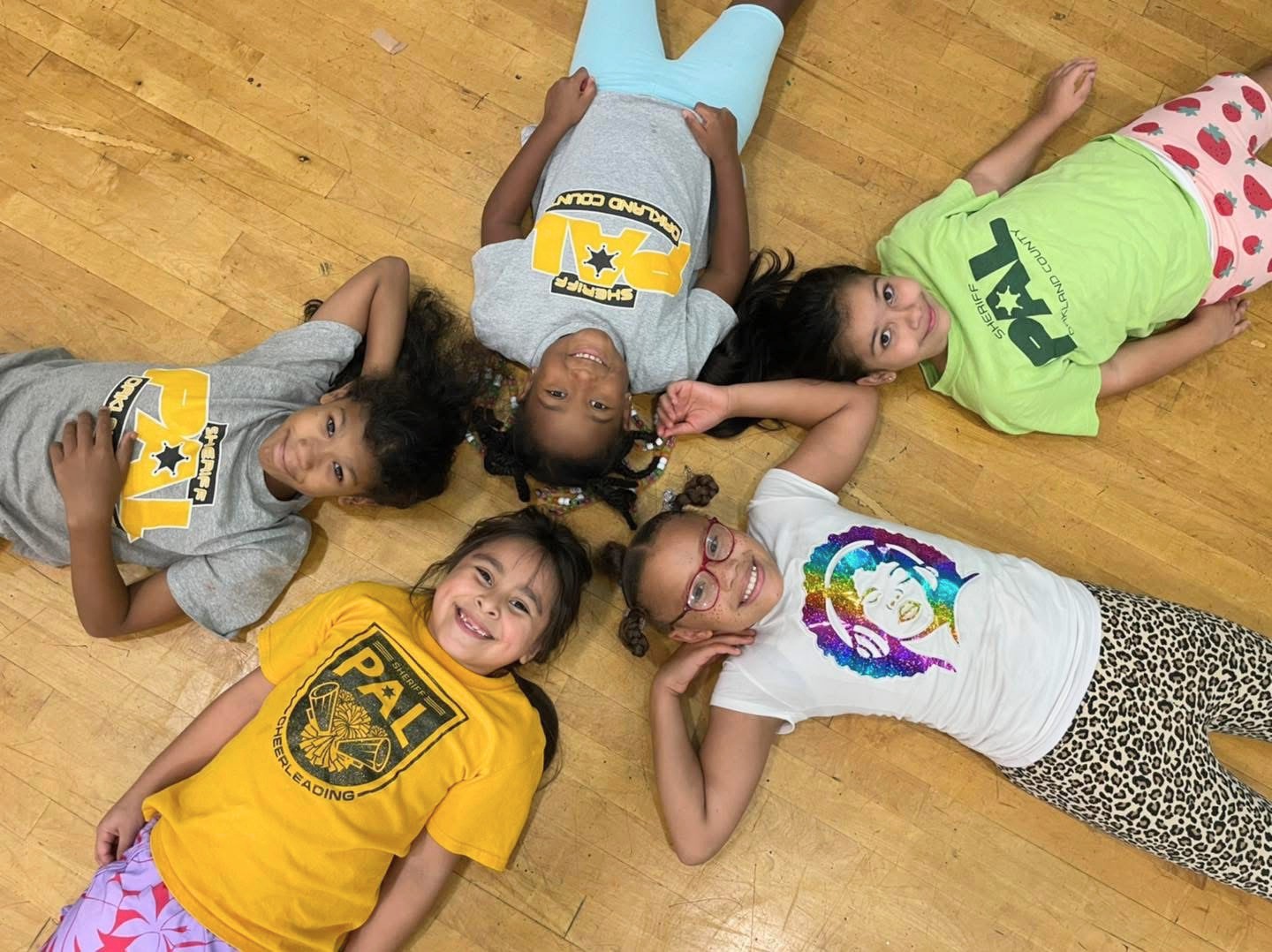
    Picture a kid walking into their first Sheriff PAL practice: quiet, unsure, maybe a little nervous about the coach standing across the gym in uniform. Fast forward a few months, and that same kid is leading warm-ups, cheering on teammates and walking a little taller off the field, too. That transformation is the whole point of Sheriff PAL, and it’s exactly why Project Play: Southeast Michigan is proud to call them a partner.

    Sports as the Vehicle, Not the Destination

    Since 2015, Sheriff PAL (Police Athletic League) has been on a mission to empower young people across Oakland County through athletics, mentoring and enrichment programming, all completely free of charge. The lineup reads like a kid’s dream sampler platter: basketball, cheer and dance, track and conditioning, soccer and futsal, baseball, tee-ball, field hockey and more, hosted at area churches, the United Wholesale Mortgage Sports Complex in Pontiac and pop-up summer locations throughout the county.

    But talk to the team behind the program, and they’ll tell you the sport itself is almost beside the point. Every practice, game and activity is built for something much more important. Something that stays long after the game ends. They’re opportunities to build confidence, resilience, teamwork and leadership, while reinforcing optimism, empathy, respect and responsibility, which speaks directly to the sport-based youth development we champion as part of our work.

    “Sports are really the vehicle we use to teach life skills,” says Melanie Brazil, youth programs and partnerships director for Sheriff PAL.

    The goal isn’t just a better free-throw or faster mile time; it’s a kid who leaves believing in themselves and excited to keep growing in the game and beyond.

    Badges, Whistles and Trust

    What makes Sheriff PAL stand out in the youth sports landscape is right there in the name. This is law enforcement showing up as coaches, mentors and trusted adults. For a lot of young people, that’s a first, and it matters. Consistent, positive interactions with deputies help build trust, break down barriers and create relationships that might not otherwise exist. Kids get to see law enforcement investing in them as people, which strengthens ties between community and the officers who serve it, all while handing young people real role models to look up to.

    Watching Confidence Take the Court

    Ask anyone involved with Sheriff PAL for a favorite moment, and you’ll hear some version of the same story. For example, a kid who showed up quiet and hesitant on day one, and weeks later is encouraging teammates, stepping into leadership and trying things they never would have attempted before. Those shifts don’t happen by accident. They happen because kids are surrounded by coaches, mentors and deputies who believe in them before they believe in themselves.

    Free Isn’t a Bonus. It’s the Whole Strategy.

    Every single Sheriff PAL program is offered at no cost to families, and that’s by design. Removing financial barriers means access, not income, decides whether a child gets to play and grow in these spaces. It’s a simple idea with a big ripple effect, meaning more kids are reached, more healthy habits are built and more long-term success stories are started.

    A Bigger Team Effort

    Sheriff PAL’s work doesn’t happen in a vacuum. This year, they partnered with Project Play: Southeast Michigan on the Title IX Girls Sports Sampling Clinic, a great example of what happens when organizations link arms to expand opportunity for young people across the region. Collaborations like this one chip away at barriers to participation, encourage lifelong physical activity and help ensure every child, regardless of zip code, gets access to the kind of positive experiences sports and mentorship offer.

    Get in the Game

    Sheriff PAL runs entirely on community support, and there’s a role for almost anyone who wants one! Volunteer as a coach or mentor, become a sponsor, partner on a community initiative or make a donation to help keep every program free for families. Because at Project Play: Southeast Michigan, we know it takes a whole region, coaches, deputies, volunteers and neighbors alike, to give every kid a real shot at play.

    Want to get involved or learn more? Visit www.sheriffpal.com or follow along with them on Instagram and Facebook @SheriffPAL for updates on programs, registration and upcoming events.

  • Meeting Kids Where They Are: Six Questions With the YMCA of Metropolitan Detroit

    Photo of Tom Bender.

    Meeting Kids Where They Are: Six Questions With the YMCA of Metropolitan Detroit

    We talked to Tom Bender, Executive Director of Community Youth Sports with the YMCA of Metropolitan Detroit, about why sports shape children’s futures, the importance of giving kids a say in their programming and how organizations are coming together to build healthy futures for southeast Michigan youth.

    What kind of programming does the YMCA of Metropolitan Detroit offer local children, youth and families?

    We have clinics and leagues for a variety of different sports – basketball, soccer and many others. We’ve also offer swim lessons, through both Detroit Swims and our Safety Around Water Initiatives, that we bring to communities all over the area we serve. There are two other great youth running programs – Girls on the Run and PACE, and we’ve got Y on the Fly, our sports-sampling program. We also have camps, both day camp and residential, youth employment programs, college and career readiness programs, and a whole lot more.

    How do youth sports benefit kids?

    Sports give kids a space where they can learn and build their confidence and skills. A fun environment to play with old friends and make new ones. They teach so many important life lessons, like how to face adversity and get back up after a fall, and to keep working at it. Dedication, sacrifice, teamwork – you learn all those skills playing sports without even realizing it, and they really pay off as you become an adult. Sports also offer a healthy way to create a sense of belonging. Everybody wants to be part of something, and when you’re on a team, there’s always an opportunity to contribute.

    I’ll never forget the grandmother who reached out to tell me how much her grandson had benefited from one of our programs. She got so emotional, talking about how he was more confident and outgoing, how he wasn’t staying in the house as much, how he was more willing to go out and play with friends, try out for a team, all these things he wasn’t doing before.

    Why are in-town sports leagues important for kids?

    Many parents feel like they have to put their kids in expensive travel leagues because they’re scared their children will get left behind. But for most kids, local, in-town leagues offer more than enough competition, without all the added cost and pressure. So parents need to have honest conversations with their children about what they want. Are they just in it to have fun? If so, great! An in-town league is just right for them.

    When I was a kid, travel leagues were mainly for kids who were serious about the sport and might want to play in college or professionally. That’s not a bad way to do it. The option is still there for kids who want that level of competition, while the rec leagues are perfect for the kids who just want to play.

    What is Y on the Fly?

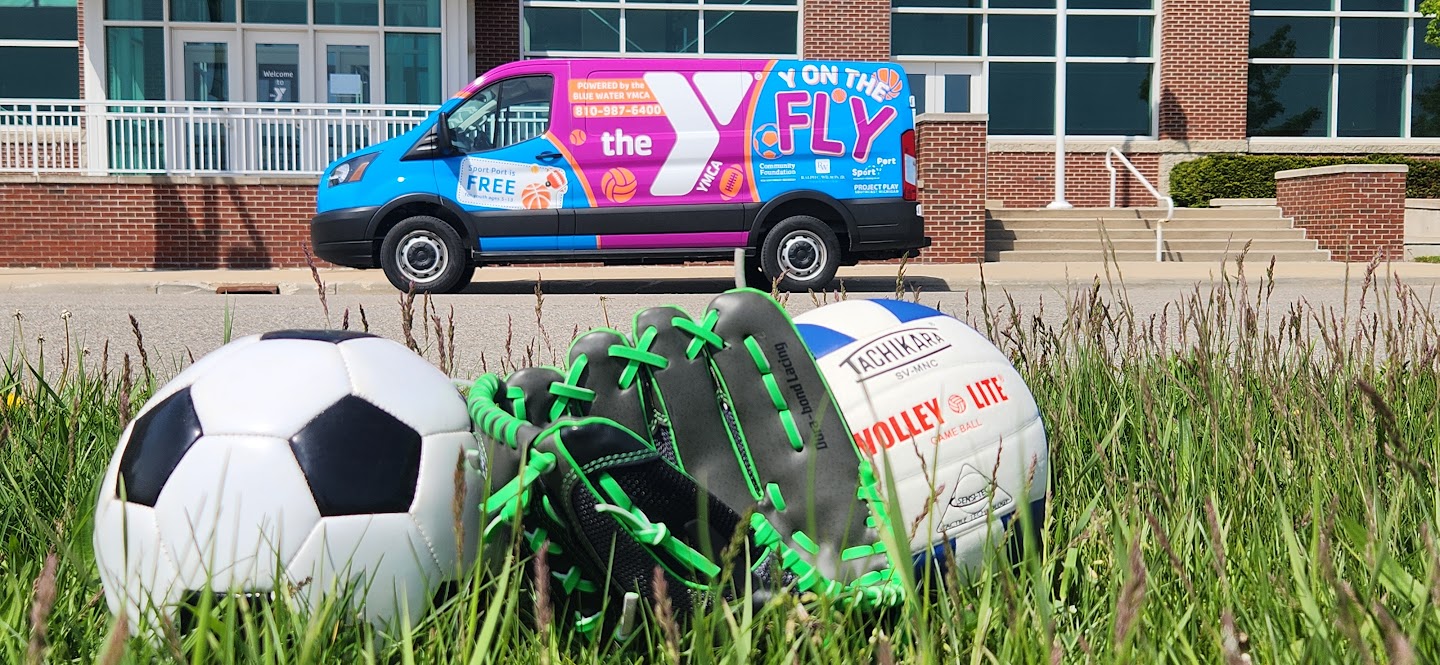
    Y on the Fly is a free mobile youth sports-sampling program. Since 2019, with a partnership of four YMCA Associations, it has helped more than 110,000 young people across seven counties in southeast Michigan try out different sports, play and have fun, right in their communities.

    There isn’t a Y in every part of Metro Detroit. But every kid still deserves the opportunity to participate in sports. Y on the Fly Detroit operates four vans that are dispatched primarily to communities and partners where YMCAs are not located. The program helps kids to try a variety of different sports. It could be one they know – like soccer, basketball or football – or something they may have never played before, like lacrosse, field hockey or pickleball. The important thing is that youth have a say in what they want to play.

    Y on the Fly van.
    A Y on the Fly van, parked at the Farmington Family YMCA.

    We try to light a spark in sports, create healthy and fun engagement, and provide a local, safe space for play. Maybe a kid will get more interested in a sport, learn more about it and continue to play. Maybe they’ll just play outside more at home and not spend so much time on screens. If we can get kids to see the value in being active, that’s wonderful. In the end, it’s all about being a kid and having fun.

    How is the YMCA of Metro Detroit connected to the Community Foundation for Southeast Michigan and Project Play?

    Y on the Fly has partnered with the Community Foundation for Southeast Michigan, Project Play and the Ralph C. Wilson, Jr. Foundation since 2019. It has been an amazing partnership that has made a difference in the lives of so many young people throughout southeast Michigan. The Detroit YMCA serves Wayne, Oakland, Macomb and Northeast Livingston counties, and we partner as a regional collective, called the “Y Positive Play Initiative,” with three other southeast Michigan YMCA Associations: the Blue Water YMCA in Port Huron, the Ann Arbor YMCA and the Monroe Family YMCA. Together, we’re bringing Y on the Fly to all seven counties in southeast Michigan.

    How can people learn more about and support your work?

    Our website is the best place to start. It has many opportunities to give, and we’re always looking for volunteers for programs like Y on the Fly, Girls on the Run, and PACE. However people want to give back and get involved – that’s great!

    To learn more about Y on the Fly and the YMCA of Metropolitan Detroit, visit Y on the Fly.

  • Title IX Gave Girls the Right to Play. Our Girls Sports Sampling Clinic Makes Sure They Do.

    Title IX Gave Girls the Right to Play. Our Girls Sports Sampling Clinic Makes Sure They Do.

    Girls drop out of sports at twice the rate of boys. Project Play: Southeast Michigan’s Girls in Sports: Title IX Celebration is pushing back — with a record-breaking day of sport sampling, community and 150+ girls choosing to play.

    Sports have never been equally accessible for every child, and certainly not for every girl. Across southeast Michigan, youth face real, persistent barriers to play, including rising participation costs, limited transportation and a lack of recreational infrastructure. For girls, the challenge runs deeper. According to the Women’s Sports Foundation, without enough visible role models, meaningful encouragement or spaces that reflect their presence in sports, by age 14, girls are walking away from athletics at twice the rate of boys. The confidence, leadership and physical literacy lost upon their exit don’t just disappear—they go unrealized.

    Project Play: Southeast Michigan’s Girls Sports Sampling Clinic is the powerful answer to that.

    On June 26, the Girls in Sports: Title IX Celebration returned for its fourth year to the United Wholesale Mortgage Sports Complex in Pontiac, and this year was the biggest yet. The highest-attended clinic in the event’s history welcomed more than 150 girls, who sampled a record eight sports, including rugby, pickleball, soccer, field hockey and more. Girls ages 5–14 rotated through stations led by Project Play’s skilled partner organizations in a space built for participants to explore.

    The event coincided with the 54th anniversary of Title IX, the groundbreaking legislation that reshaped access to sports and education for girls across the country. That legacy showed up in every corner of the UWM sports complex, where the spirit of the day — anchored by free admission, engaged coaches and a multi-sport format — embodied Project Play’s dedication to uplifting girls in sports and the values central to the Children’s Bill of Rights in Sports, which champions eight fundamental rights youth have when it comes to developing as people through sports. Specifically, children’s rights to have fun, develop at their own pace, receive positive coaching and play in a safe and welcoming environment.

    Sports sampling sits at the core of the clinic’s design. The Aspen Institute suggests multisport pathways are linked to less burnout, less social isolation and greater lifelong enjoyment of sport. According to the Aspen Institute’s State of Play 2024 Report, the average number of sports played by youth ages 6–17 has dropped 13% since 2019, positioning events like Girls in Sports as purposeful, energizing pushback against that trend and a day where girls don’t have to choose — they just get to play.

    “Girls That Play Lead the Way reflects what Project Play alongside partners from across the region are working to achieve every day: creating opportunities for every child to grow, belong and thrive through quality sports and play,” says Pat Sharrow, executive director for Project Play: Southeast Michigan. “It’s a reflection of the vision behind the Children’s Bill of Rights in Sports, where every child deserves a positive, inclusive and meaningful experience through sports and play.”

    The day ended with shared reflections on new experiences and unexpected discoveries, a group photo on the turf, refreshing popsicles and gear giveaways from Project Play and its partner organizations.

    “The girls’ energy was incredible! They were smiling, encouraging one another and willing to make mistakes, trying something completely new in a low-pressure environment surrounded by their friends, and every sport we introduce them to teaches something different, whether it’s agility, spatial awareness or teamwork, helping them become more adaptable and confident no matter which sport they ultimately choose,” says Margi Whittingham, programming director with Great Lakes Regional Field Hockey. “In just one day, we were able to introduce more than 150 girls to a sport many Michigan families have never had the chance to see or try, and watching them discover a new passion, build confidence and realize they belong in sports is incredibly rewarding to me, as a parent of two girls, and to our entire organization.”

    Project Play: Southeast Michigan is an initiative of the Community Foundation for Southeast Michigan, supported by the Aspen Institute and the Ralph C. Wilson, Jr. Foundation. Learn more at projectplaysemi.org.

    Young girl and coach high-fiving.
    Young girls hunched in a line performing basketball drills.
    Group of youth smiling and posing for picture.
    Young girl swinging at a ball while playing field hockey.
    Young girl smiling at camera with sticker on her forehead.
    Young girl tackling a bag while playing rugby.