Category: Legacy Fund Grantee

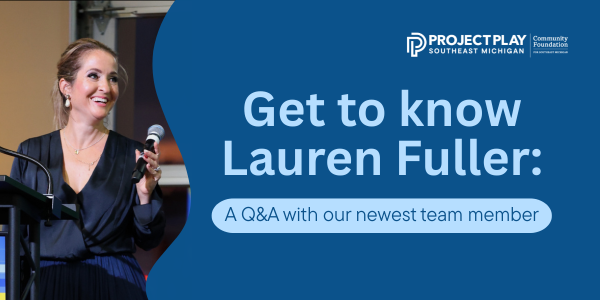
  • Get to know Lauren Fuller: A Q&A with our newest team member

    Get to know Lauren Fuller: A Q&A with our newest team member

    In November, Project Play welcomed Lauren Fuller as the new Program Manager. Lauren joins the team after serving as the Executive Director of Oakland County Sheriff PAL. She brings a wealth of knowledge and experience supporting youth through sports, play and out-of-school time programming. Lauren has been a longtime partner and we are thrilled to have her leadership and expertise to help advance our work.

    Lauren recently sat down with Briana Mitchell, Program Communications Officer, to talk about her experience and what she’s looking forward to in her new role.

    Briana: Can you share a bit about your background and how it led you to Project Play?

    Lauren: My background has really led me exactly to this moment. After college, I became a teacher and quickly realized that the ability to create more personalized relationships and provide youth with the individualized opportunities they deserve was a challenge to do in the traditional classroom. So, I quickly moved into the out-of-school time space and have spent time from very grassroots organization with no staff and no budget to larger organizations such as the YMCA of Metropolitan Detroit doing curriculum development and staff facilitation. Out-of-school time programs really gave me a broad perspective of southeast Michigan and all of its unique and beautiful needs, challenges and opportunities that I spent four years as the executive director of Oakland County Sheriff PAL, a free police-athletic league serving primarily Pontiac and a broader Oakland County with sports, recreation and mentoring opportunities.

    After two weeks of being in this new position at PAL, I was feeling really nervous, wasn’t sure if I knew exactly what I was doing and I was connected with someone from Project Play of the Community Foundation for Southeast Michigan. It was through that initial conversation and the recommendation to try applying for the Legacy grants. I’d never written a grant independently. That experience really kind of launched my professional development and the organization’s professional development.

    We received those Legacy grants that year, but it also ignited other conversations with other funding partners and program partners and I began actively working with Project Play to build capacity both within our organization and was just always super curious about how to make things happen for the entire region. Collaboration started as a means of survival and then really turned into our organization thriving. I can link back almost 90% of the opportunities, from financial support to trainings, back to that single conversation that took place four years ago with the grant officer from the Community Foundation.


    Briana: What excites you the most about working for Project Play?

    Lauren: The thing that excites me the most is really focusing on that collective impact and collaboration with an issue as large as leveling the playing field for youth opportunities in the out-of-school time space for sports and play. We really have to think about it from a collective impact lens. I’ve had the opportunity to work hand-in-hand with a lot of these community partners that are part of Project Play and have the opportunity to meet and work with a lot more and I truly believe in everybody’s assets as individuals as well as organizations to work together. Everybody brings such unique strengths to the table. To be part of the opportunity to convene people and share those ideas and solutions together is incredibly exciting. Working with an organization like the Community Foundation for Southeast Michigan that has a level of trust within the broader community is very exciting for me as well. Lots of new learning opportunities that I haven’t had the chance to engage in any position before.


    Briana: What are your hopes for the future of youth sports in southeast Michigan?

    Lauren: Some of my biggest hopes are ensuring that every single child, regardless of ability level, income level or any other factors that might limit participation, have not only a variety of programs that they can engage and participate in, but that support them through their childhood and use development experience. I think there’s so many great opportunities that exist out there and being able to ensure that every child and family knows about them.

    You know, oftentimes we kind of self-select what kind of people our children are going to be and I really want to broaden the opportunities so that they can have a voice in what they want to do, you know, the opportunity to make different friends, the opportunity to try different things and learn from a variety of caring adults. It’s all possible. It’s all happening in small pockets but really building the capacity to ensure that it’s happening for every child at every level of their sports or play journey, period.

    Briana: How can we Project Play approach supporting coaches so that they can better support young athletes?

    Great question. Obviously, high-quality coaches are a linchpin in the success of sports and play-based programs and a variety of other things in our region. I think the number one thing is we need to help more adults see themselves as coaches. I think the narrative is traditionally if you didn’t play at a high level of a particular sport, then you don’t have the authority to coach children. Especially at those younger levels of influence, if you love children and are willing to learn, chances are any other skill can be taught. If we help more people change the narrative to see themselves as coaches, I think that will activate a lot of people, including myself.

    Briana: We know that national trends and studies show that girls are less active than boys in youth sports. Project Play has a goal of getting more girls in the game. How important is it for you as a woman in this space to show up and empower young girls? What can others do to get more girls active in the game?

    I think it goes back to what we were talking about earlier — it’s really reframing the narrative of what it means to be an athlete or a coach. The adults need to be part of this narrative reframing. The current narrative is that being involved in sports is a means to an end, and that end is participating in high school or collegiate sports. There are many other inherent values of being part of sports or being active, like meeting other kids, learning about teamwork, building work ethic, feeling supported, improving emotional and mental resilience. I think helping young women understand all of those benefits of being involved in sports and ensuring that all our people leading those programs also are in alignment with those values and really leading with those firsts is going to be paramount to getting more girls in the game. It’s easy to start a girls-based program, but how do we gain and retain kids through that program? How can we continue to support them through that journey? We have a lot of girls that try out and don’t make that middle school team — they’re done for the rest of their lives. How do we catch those young people and provide additional opportunities for them?

    As a female leader in the space, I’m helping with that and reframing the narrative of what it means to be a female leader in the realm of sports and activity. You want to retain and support female coaches and staff. We want to educate all male coaches and staff about why this is important as well and why creating opportunities specifically for young ladies is valuable. We also want granting partners to give folks a bit more flexibility to try things out and build new programs that support girls in sports. These are all things that I think are important and definitely within our realm of possibility.

    Briana: What activities or hobbies energize you outside of work?

    Lauren: We foster a lot of dogs! I’m very big into animal rescue, specifically dogs. We have fostered more than 75 dogs in the past 18 months. I’m not sure if it energizes me, motivates me or if it takes a lot of energy, but it definitely keeps us on our toes. It’s kind of like a full family investment in helping with that. So that’s a big piece of who I am and our identity as a family.

    Want to connect with Lauren? Click below to send her a welcome email!

  • Breaking Barriers, Building Confidence: Girls Sports Sampling Clinic Returns for Year Three 

    Breaking Barriers, Building Confidence: Girls Sports Sampling Clinic Returns for Year Three 

    For many children in southeast Michigan, access to safe and affordable sports and recreational activities is hindered by significant barriers — ranging from lack of transportation and high participation costs to limited community resources. These challenges can make play and movement through sports feel out of reach. For girls, the hurdles are even higher. A lack of confidence, proper sports gear and relatable role models contribute to an alarming trend of girls dropping out of sports at twice the rate of boys. 

    Since 2022, Project Play Southeast Michigan has been working to change that trend through its signature Girls Sports Sampling Clinic, an initiative designed to eliminate those barriers and create pathways for girls to stay engaged in physical activity. 

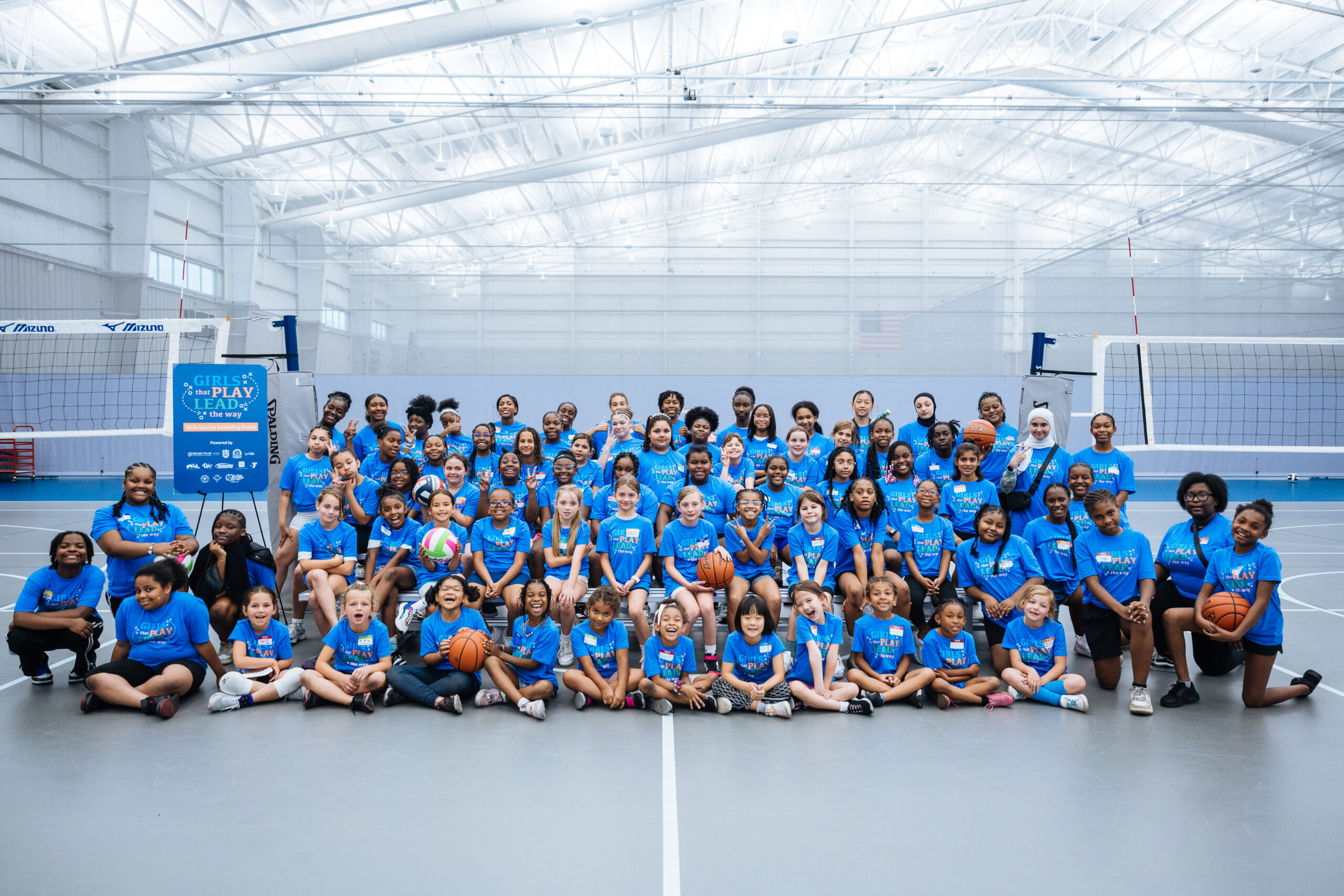
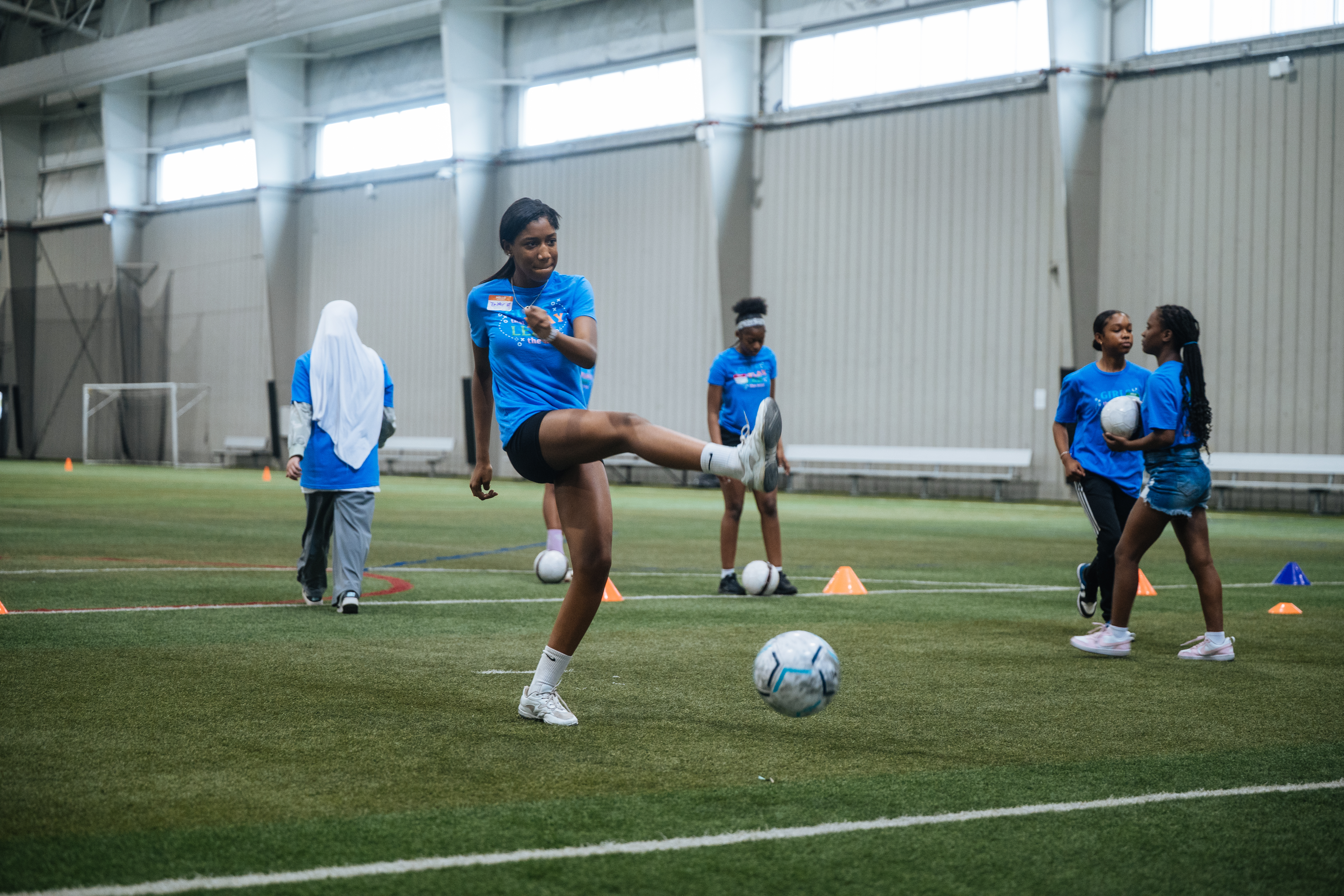
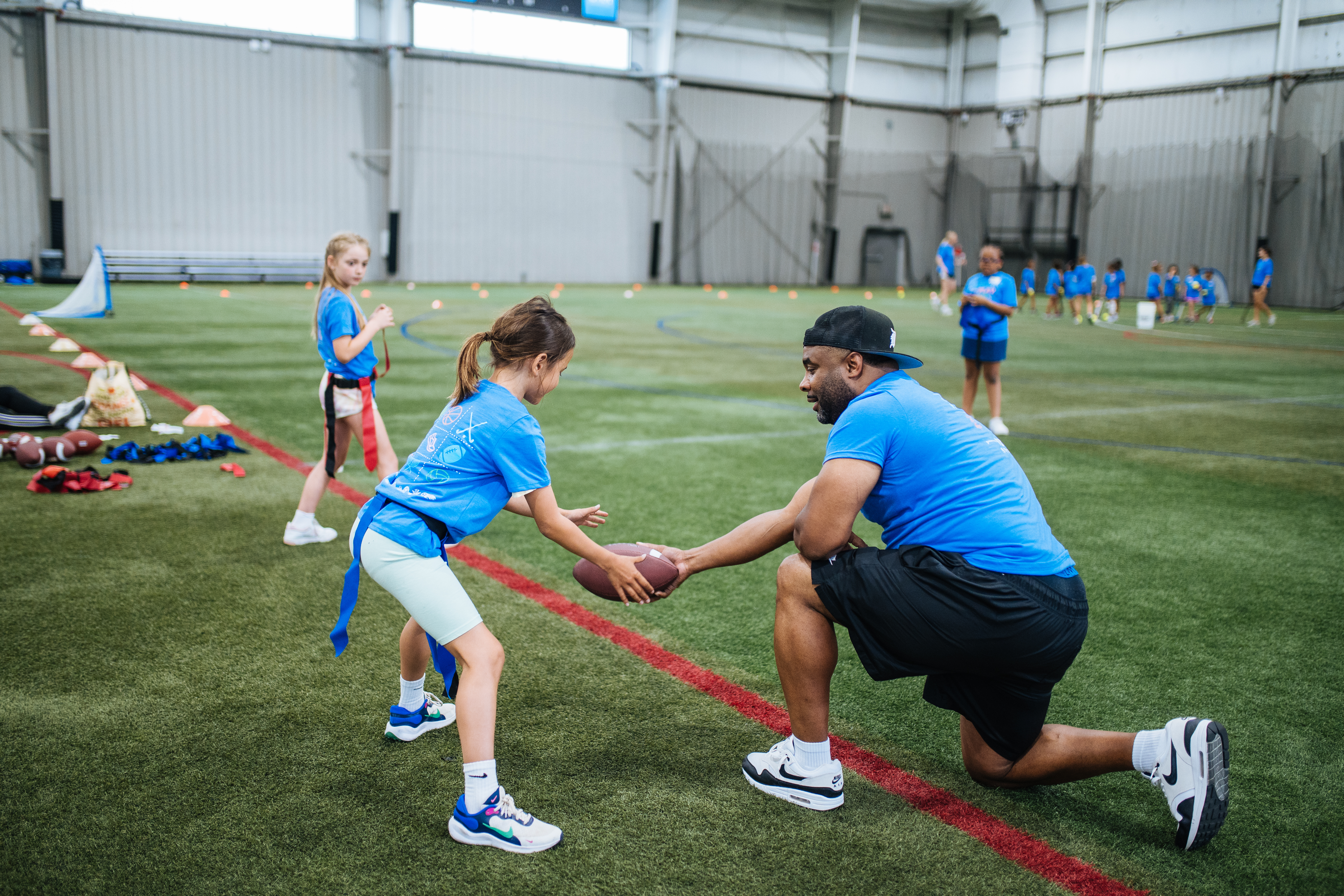
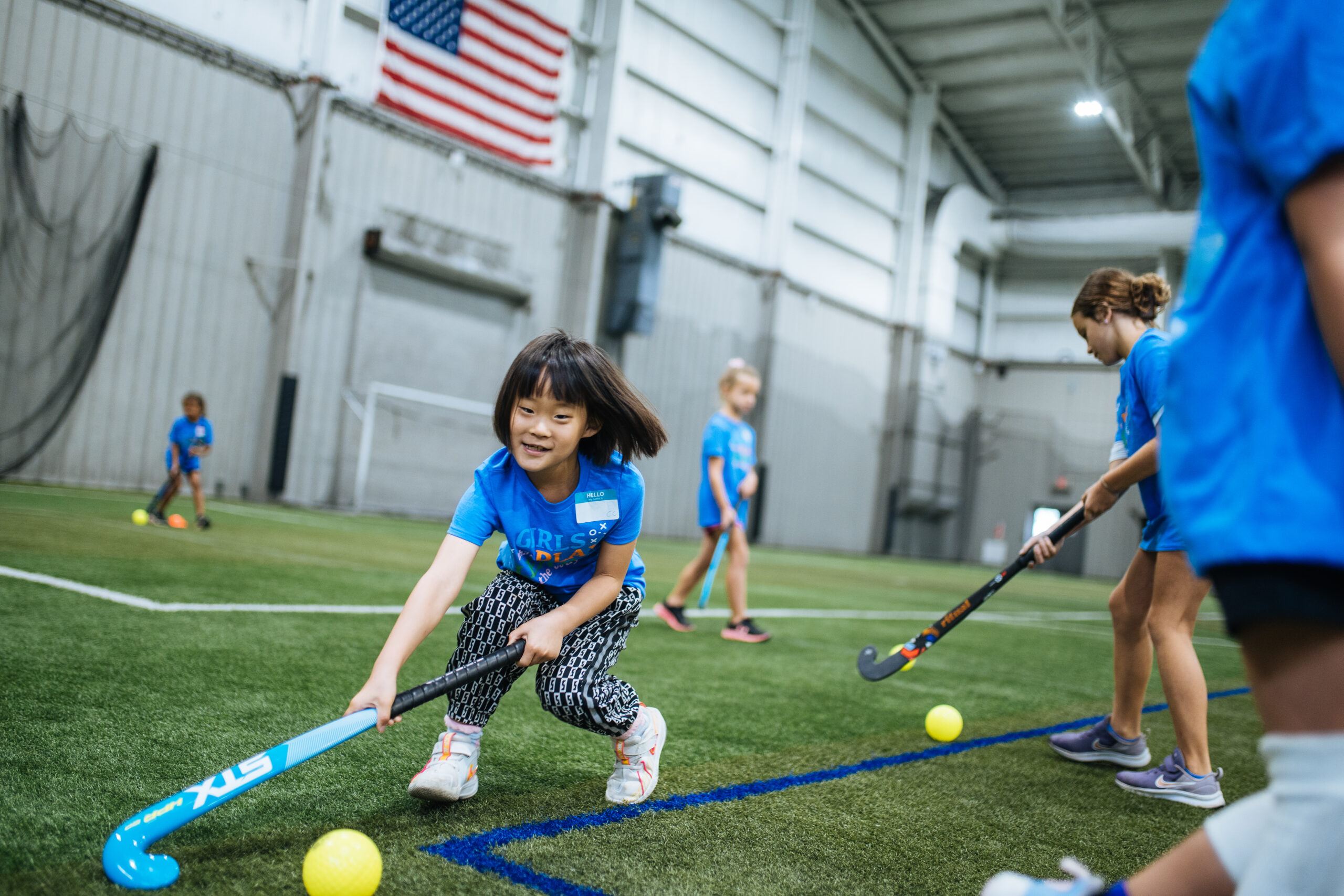
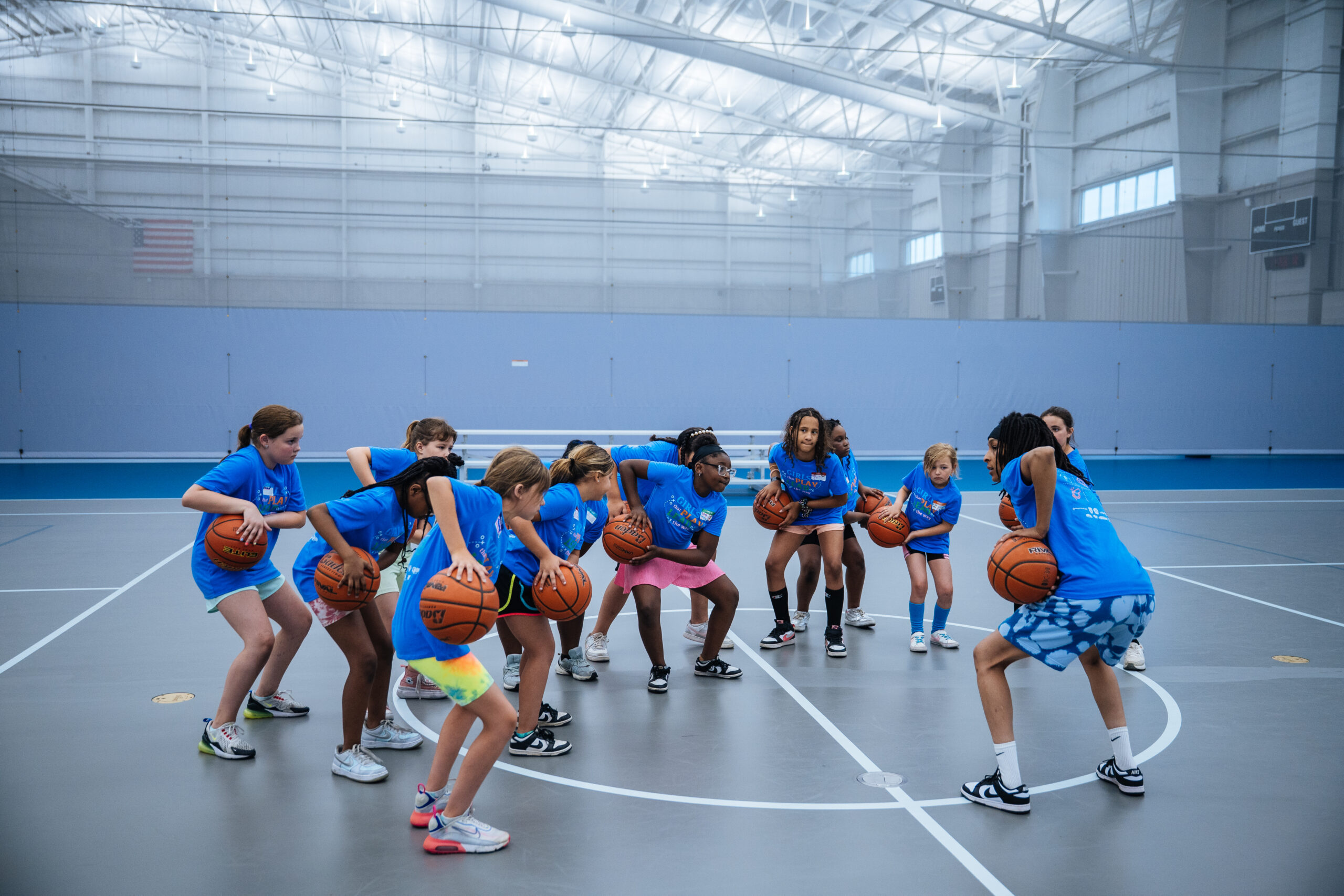
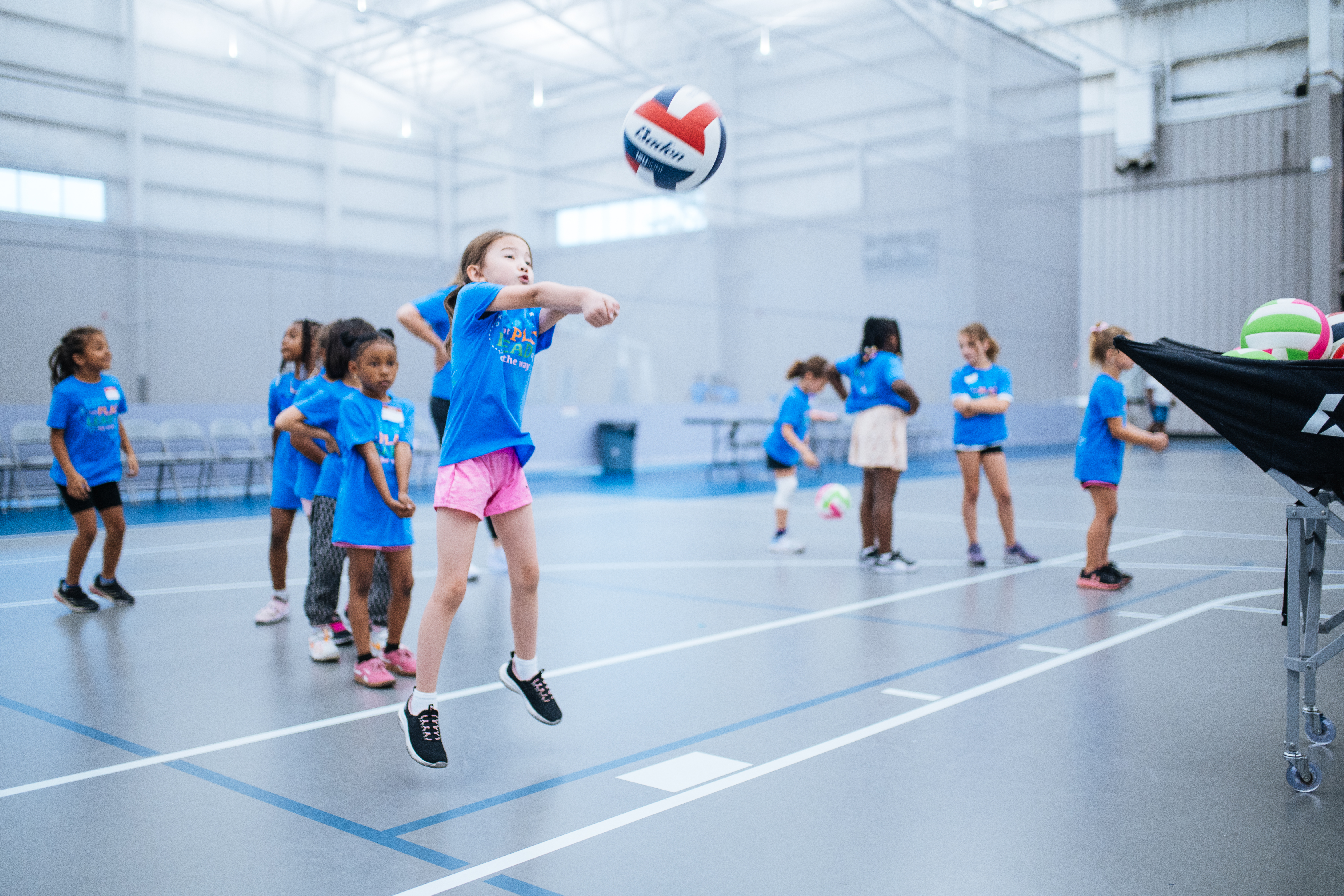
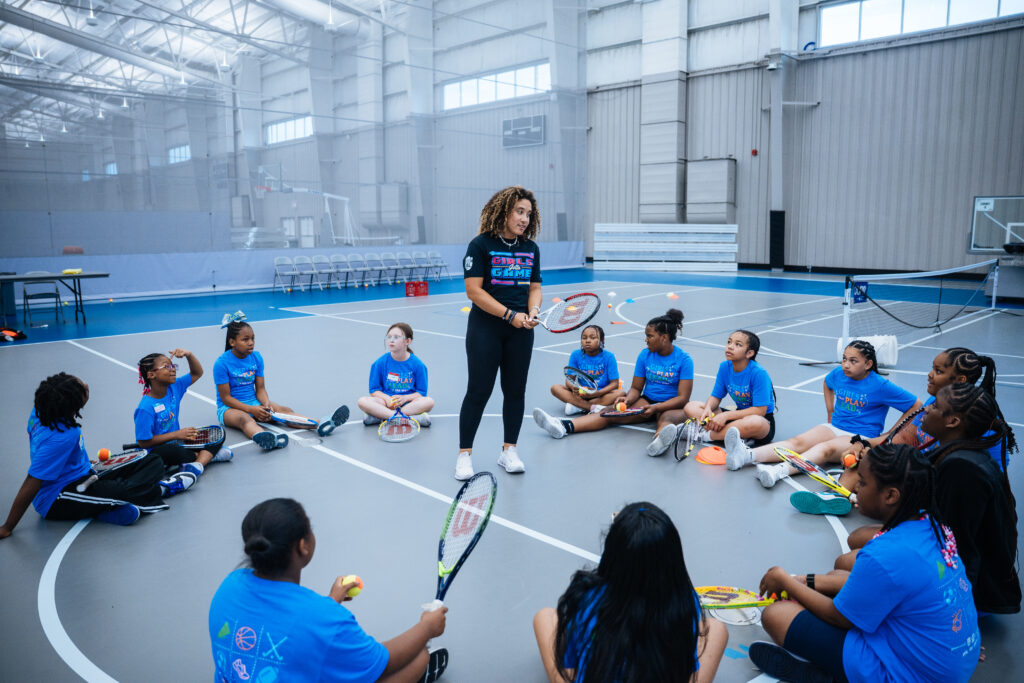
    Now in its third year, the free clinic coincided with the 53rd anniversary of Title IX, a landmark law that helped level the playing field for girls in sports. This year, more than 100 girls in grades 3–8 gathered on June 21 at the United Wholesale Mortgage Sports Complex in Pontiac for a day of discovery, play and empowerment. Participants had the opportunity to explore seven sports — volleyball, soccer, basketball, tennis, field hockey, flag football and cheerleading — thanks to expert facilitation by Project Play partner organizations. 

    “What makes the Girls in Sports event so amazing is seeing young ladies from all over the region come together to try new ways to be active in a day that is designed not just to include girls, but to be exclusively built for them,” said Lauren Fuller, executive director of Oakland County Sheriff PAL and a Project Play partner. “It’s a safe, supportive environment where girls can try new things, make new friends, and potentially discover a sport they never considered before. Nationally, girls are dropping out of sports at a much higher rate than boys, so creating events that both raise awareness and offer real opportunities is incredibly important.” 

    This year’s theme — “Girls that Play, Lead the Way” — celebrated exploration, leadership and confidence-building through sports. The clinic was completely free, reinforcing the message that all girls deserve a chance to play. The experience also championed the importance of sports sampling, a practice that offers wide-ranging benefits including improved motor skills, reduced burnout and increased confidence and leadership ability. According to the Aspen Institute’s State of Play 2024 Report, the average number of sports regularly played by children ages 6–17 dropped by 13% since 2019 — a trend Project Play is working to reverse. 

    “Our clinic gives girls the chance to try — try new sports, try meeting new people, and try being a leader,” said Pat Sharrow, director of Project Play Southeast Michigan. “By the end of the day, they left more confident and empowered, ready to apply those skills both on and off the field.” 

    The event wrapped up with smiles, shaved ice, and swag bags from Project Play and its partners — marking the end of a day full of joy, curiosity and growth. 

  • Creating Equal Play: Fostering Inclusion in Youth Sports

    Creating Equal Play: Fostering Inclusion in Youth Sports

    Fostering inclusion in youth sports is crucial for creating equitable opportunities for all children, regardless of their abilities. In Southeast Michigan, Kids On the Go stands out as a Project Play grantee partner dedicated to this mission. Their programs focus on recognizing and facilitating the goals of children with special needs through therapeutic and wellness activities. By offering tailored support and creating an inclusive environment, Kids On the Go ensures that every child can participate, thrive, and build connections through sports.

    Creating spaces where children of all abilities can be active and enjoy camaraderie is essential for fostering a sense of belonging and community. Kids On the Go not only helps children develop their skills but also promotes the joy of participation and the value of teamwork. By breaking down barriers and providing adaptive programs, they make sports accessible to everyone, reinforcing the idea that every child deserves the chance to experience the benefits of physical activity and social interaction.

  • Building Tomorrow’s Leaders: Enhancing Leadership Skills with Sports

    Building Tomorrow’s Leaders: Enhancing Leadership Skills with Sports

    Enhancing leadership skills through sports is a powerful way to prepare youth for future success, both on and off the field. In Southeast Michigan, Project Play grantee partners like Peace Players Detroit, Racquet Up Detroit, and Detroit Horse Power are committed to this mission. These organizations use sports as a platform to teach essential leadership qualities such as teamwork, responsibility, and resilience. By fostering these skills, they empower young people to become confident, capable leaders in their communities.

    Investing in youth leadership goes beyond physical training; it’s about mentorship and empowerment. Programs like those offered by our grantee partners, provide young athletes with role models who guide them in making positive choices and overcoming challenges. Peace Players Detroit, Racquet Up Detroit, and Detroit Horse Power focus on ensuring that all youth, regardless of their background, have access to these opportunities. Together, these organizations are shaping a generation of leaders who are ready to make a difference both in the game and in their lives.

  • Empowering the Next Generation: The Impact of Sports on Young Girls

    Empowering the Next Generation: The Impact of Sports on Young Girls

    Empowering young girls through sports is essential for fostering leadership, confidence, and resilience. In Southeast Michigan, Project Play grantee partners like Figure Skating Detroit and Detroit United Lacrosse are at the forefront of this mission. These organizations provide girls with the opportunity to not only excel in their chosen sports but also to develop critical life skills that will serve them well beyond the field or ice rink. By creating supportive, inclusive environments, these programs help girls build self-confidence, teamwork, and a strong sense of identity.

    The impact of sports on young girls extends far beyond physical fitness. Through the guidance and mentorship offered by Figure Skating Detroit and Detroit United Lacrosse, girls learn to overcome challenges, set and achieve goals, and develop leadership qualities that will empower them throughout their lives. These programs are not just about creating athletes; they are about shaping future leaders who are confident in their abilities and ready to take on the world.

  • Breaking Barriers: Increasing Access to Sports for Youth

    Breaking Barriers: Increasing Access to Sports for Youth

    Access to sports and free play is a crucial component of a child’s development, yet many youth in Southeast Michigan face significant barriers to participation. Organizations like Detroit PAL, Oakland County Sheriff PAL, and Breaking Barriers to Play are leading the charge to ensure that all children, regardless of income, zip code, or socio-economic status, have the opportunity to engage in safe, equitable, and affordable sports programs. By removing systemic barriers, these Project Play grantee partners are not only fostering physical health but also building community, enhancing leadership skills, and providing a sense of belonging for countless young people.

    Our partner organizations understand that every child deserves the chance to play and thrive. Detroit PAL and Oakland County Sheriff PAL work tirelessly to create inclusive environments where kids can develop their athletic abilities and personal growth. In Macomb, Breaking Barriers to Play focuses on eliminating the obstacles that prevent children from accessing these vital programs. Together, these organizations are making a lasting impact, ensuring that every child has the opportunity to experience the joy and benefits of sports.

  • Expanding Opportunities for Youth with the Greater Detroit Tennis Alliance

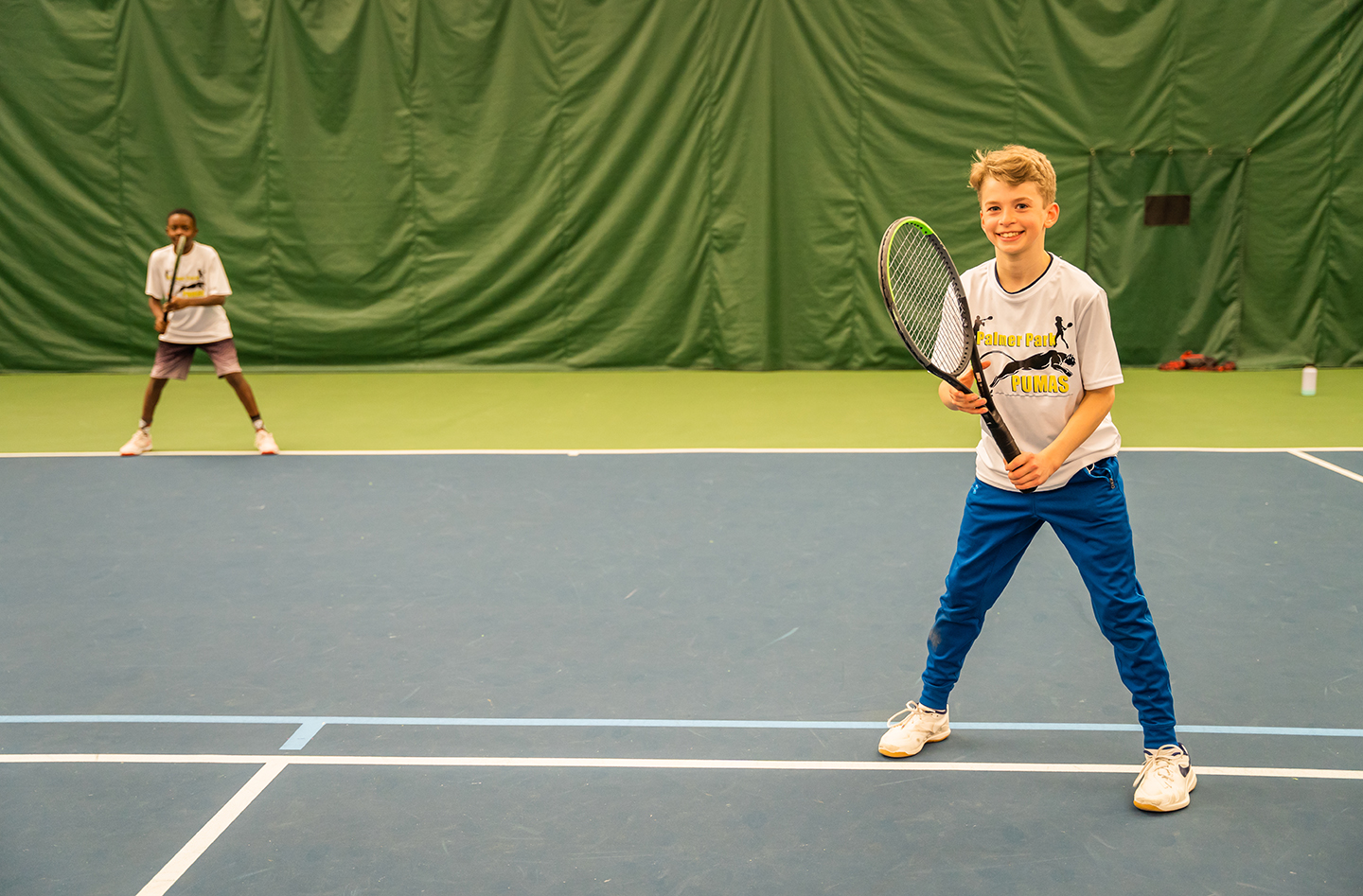
    Michele Hurst Burton, Executive Director at USTA Southeast Michigan Tennis Association (SEMTA), came to her current role from banking and nonprofit management. She brought with her a deep appreciation of the impact of collaboration amongst organizations. In 2018 she worked to bring entities providing tennis programming across Detroit together under the umbrella of the Greater Detroit Tennis Alliance (GDTA), with a goal to expand opportunities for youth to learn and play tennis. The GDTA includes five additional teaching partners: Motor City Tennis Club, People for Palmer Park, Stoepel Park Tennis Academy, Clark Park Coalition, and Flat Out Tennis. They received a grant from the Ralph C. Wilson, Jr. Legacy Funds to help address each organization’s capacity or programming needs and ultimately change the dynamics of their programs.

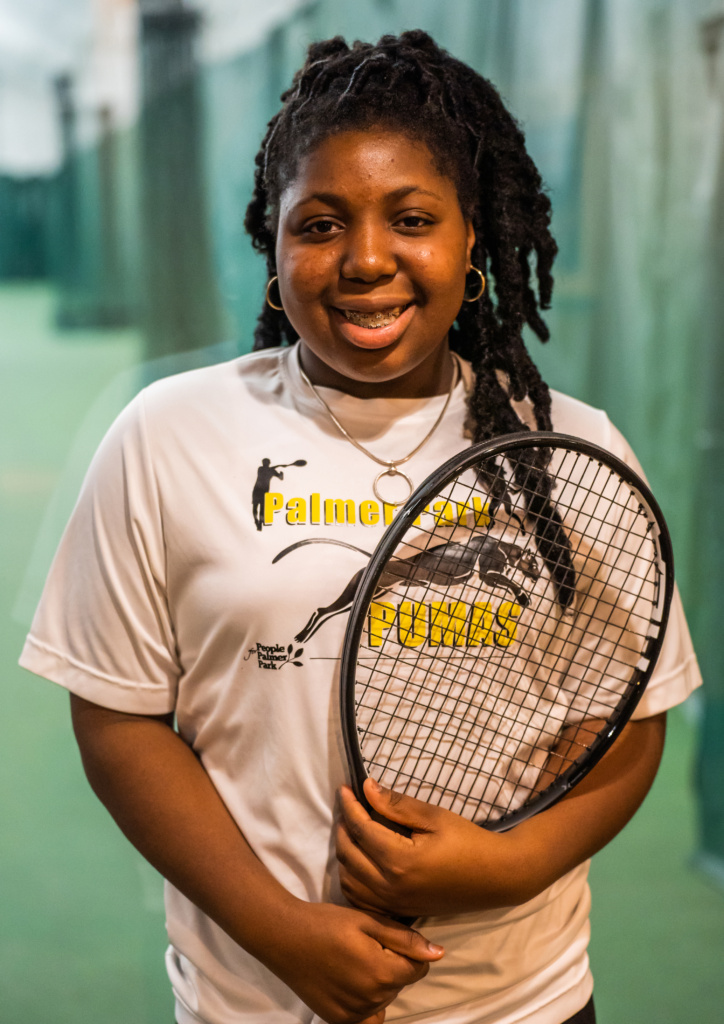
    People for Palmer Park Tennis Academy has grown from serving 30 kids the summer it was founded 11 years ago to serving 200 kids in the summer of 2021. For Coach Leonora King, the grant support has a ripple effect on the program. Coaches are now paid through GDTA, which has opened up resources for increased programming. They have been able to serve more kids, acquire better equipment and continue to keep costs low and accessible for participants.

    Motor City Tennis Club, which is led by Coach Burrell Shields, has used grant funds to train instructors to teach tennis in Detroit Public Schools Community District elementary and middle schools. As a result of budget cuts, schools stopped offering tennis, and students could not benefit from the social, educational, and health impacts of playing. Now students can participate in programs during and after school and are also connected to summer tennis camps and programs.

    As tennis players, Michele, Leonora, and Burrell are passionate about the benefits of playing. Inspired by Billie Jean King, Leonora began playing tennis at age 15 on the tennis courts at Palmer Park and has played ever since. She received a college scholarship to play for Western Michigan University. “I love the sport. It was all mine, and it wasn’t until I started the [Palmer Park Tennis Academy] program that I learned that sharing with these kids is the biggest reward ever.” 

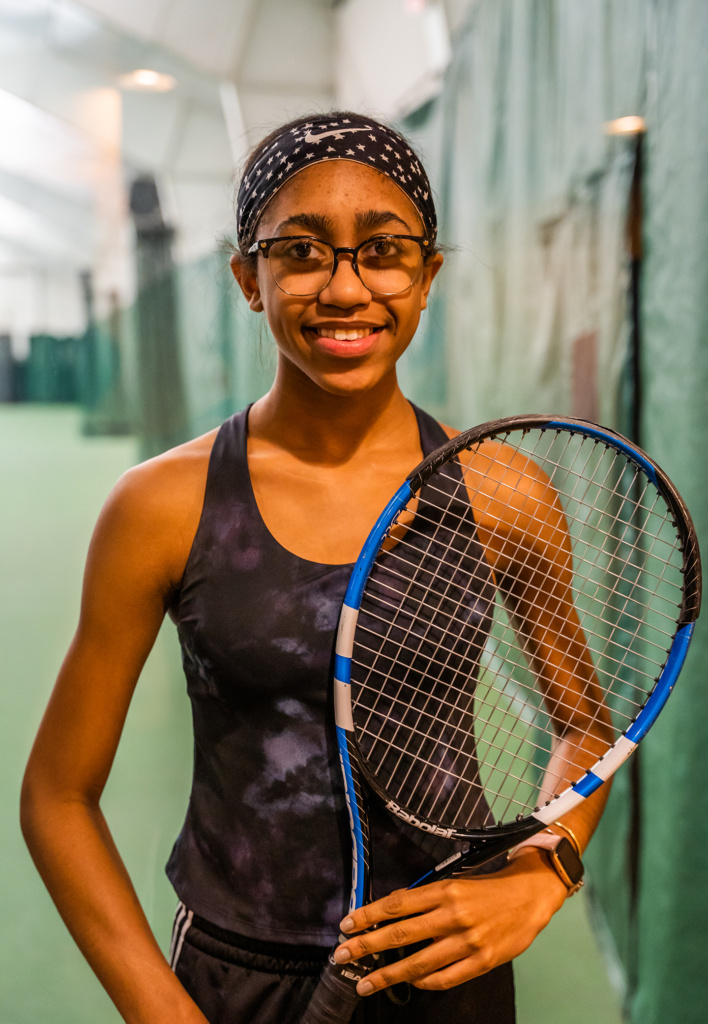
    Leonora loves to see how playing tennis helps kids build their confidence and develop a sense of pride and ownership in their capabilities. Kids who play team and tournament tennis are incredibly proud of their identity as tennis players. One player, 11-year-old Harmonie, was initially hesitant when she began playing at the Palmer Park Tennis Academy. As her confidence grew, Leonora said, “she became more personable and outgoing in relationships with me, other coaches and other kids.”

    Michele describes tennis as a sport for life: “It has taught me patience and tenacity and given me friendships that have lasted 30 years. And now it’s a career.” Yet, tennis is a sport that is often not accessible to kids of diverse backgrounds. Michele believes that it is important for kids to see people who look like them and who have had similar experiences as they want to have. She shared an example of a young Black man whose parents were disappointed in how he was received and treated at a predominantly white program in the metro Detroit area. “Your future performance is based on your foundation and your self-esteem,” explains Michele. Building confidence and good sportsmanship are as critical as learning the technical skills of the game. At Palmer Park Tennis Academy, the young man has felt welcomed and is growing on and off the courts. In her role at USTA, Michele is committed to promoting tennis across diverse communities and dedicating resources to organizations that serve all ages, from young kids to older adults.

    Burrell echoes the lifelong impact tennis can have on kids. “Tennis is a vehicle for kids to pursue other opportunities. Our programs impart not only physical skills but help develop life skills.” Kids who have participated in his program have gone on to pursue higher education and have successful careers as professionals and business owners. He sees tennis as a pathway for kids to access higher education. 20,000 tennis scholarships go unanswered every year by American players. Community programs like the ones that GDTA members lead help young people gain the exposure and skills to apply for these scholarship opportunities. 

    In March 2022, the USTA hosted the Junior Team Tennis District Championship at Deer Lake Athletic Club in Clarkston. Matches were played between JTT teams who won their district flights during the Fall 2021 and Winter 2022 season. Burrell and Leonora both had teams competing in the championship. At the event, players shared the impact tennis has had on them and their ambitions for the future.

    Meet Addison

    “Tennis has taught me not to get stressed out over small things and to focus more.”


    Meet Harmonie

    “I want to go professional, I have really good coaches – one of my coaches is a retired professional, one of them coaches at Cranbrook, and Coach Lee, she’s just the best coach ever.


    At the Community Foundation for Southeast Michigan and Project Play, we strive to lift up the impactful work of our grantees who are creating positive permanent change in people’s lives throughout southeast Michigan. This post is part of a series of profiles about our youth sports grantees.

    Project Play: Southeast Michigan is driven and funded by the Ralph C. Wilson, Jr. Foundation’s Youth Sports & Recreation focus area in partnership with the Community Foundation for Southeast Michigan and the Aspen Institute Sports & Society Program.

  • Experiencing 94 ft of Possibility with Advancing Macomb

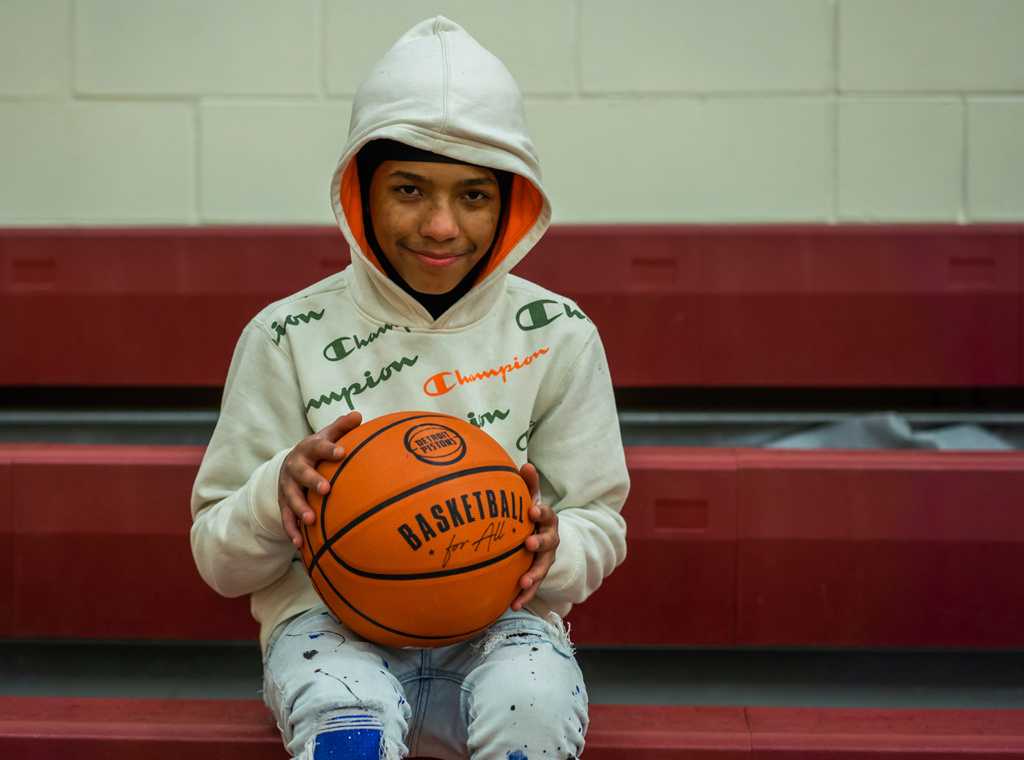
    Basketball courts are more than just a place to play a game. In Black communities. they are a place where kids learn life lessons and multigenerational community members gather. 

    A few years ago, Karl Hayes and Tommy Barnes started volunteering at a formerly defunct local community center along with other dads in the community. They helped manage the day-to-day operations indoors but soon realized the kids wanted an outdoor space to play in the summer. The nearby basketball court was not in good shape, and parents felt unsafe having their kids play there. 

    Karl and Tommy were inspired to develop an initiative called 94 Feet of Possibility, through which they organized over 100 volunteers to refurbish the courts. The courts became a point of pride for the local community, marking the beginning of a journey to make the space more functional for young people.

    Mt. Clemens has a higher concentration of African Americans than other cities in the predominantly white Macomb County. And like many cities in southeast Michigan, it was deeply impacted by the Great Recession in the late 2000s. Municipal resources were cut, and the city’s school and after-school programming and maintenance of parks and recreational facilities suffered. There are many long-lasting consequences. Schools and community centers that closed have not reopened or been repurposed. Karl, who is also a coach, artist, and musician, says that many parents choose to send their kids to other school districts so kids who live near each other do not grow up playing together, and this leads to a disjointed community. 

    Once the courts were in usable shape, they focused on ensuring equipment was ample and accessible. With support from Advancing Macomb, a nonprofit committed to connecting community challenges with high-impact solutions, and SportPort, an equipment-sharing pilot program led by Project Play: Southeast Michigan and made possible by the Ralph C. Wilson, Jr. Legacy Funds, 94 Feet has been able to install ball racks and supply basketballs at three locations in Macomb County: Shadyside Park in Mount Clemens, Prince Drewry Park in Clinton Township, and Lake St. Clair Metropark in Harrison Township. 

    During the Covid-19 lockdown in the spring of 2020, Advancing Macomb and TCB Youth Mentoring gave away 2,000 Project Play kits for at-home recreation. They partnered with the Mount Clemens Public Library and LK St. Clair Soccer to distribute the kits, which included basketballs, jump ropes, sidewalk chalk, and other equipment with local partners Mount Clemens Public Library and LK St. Clair Soccer.

    Once Covid-19 related mandates were lifted, 94 Feet programming returned bigger and better. They worked with the City to reopen the community center and expand their programming. They now offer entry-level sports programs to promote sports sampling and family “free play” opportunities. They have initiated a family kickball league that brings out parents, kids, and seniors to play and watch. SportPort equipment is available on-site for kids and families to use. Tommy and Karl describe the environment as family-centered, fun, and not overly competitive.

    “I like how they let kids of all ages come here. I like the adults that teach kids how to grow to be better people.”

    – Julian

    “I like everything about basketball. (As one of the few girls) it feels the same like I’m one of them. You gotta play like them or get off the court.”

    Leah

    “You can just relieve all your stress up here and play basketball and not get into no trouble.”

    – Ramere

    94 Feet is committed to engaging young people in the work of community building. During the lockdown, a local teen, Antonio, got equipment from SportPort for his little brother. Seeing how much he enjoyed it, Antonio began taking equipment to different community housing projects in the area. He was later hired through MiWorks to support SportPort, and once in-person programs returned, he helped engage his brother and other kids in the programming offered by 94 Feet. Antonio’s commitment has inspired the program to employ more high schoolers.

    At the Community Foundation for Southeast Michigan and Project Play, we strive to lift up the impactful work of our grantees who are creating positive permanent change in people’s lives throughout southeast Michigan. This post is part of a series of profiles about our youth sports grantees.

    Project Play: Southeast Michigan is driven and funded by the Ralph C. Wilson, Jr. Foundation’s Youth Sports & Recreation focus area in partnership with the Community Foundation for Southeast Michigan and the Aspen Institute Sports & Society Program.

  • Building Champions in Life with Figure Skating in Detroit

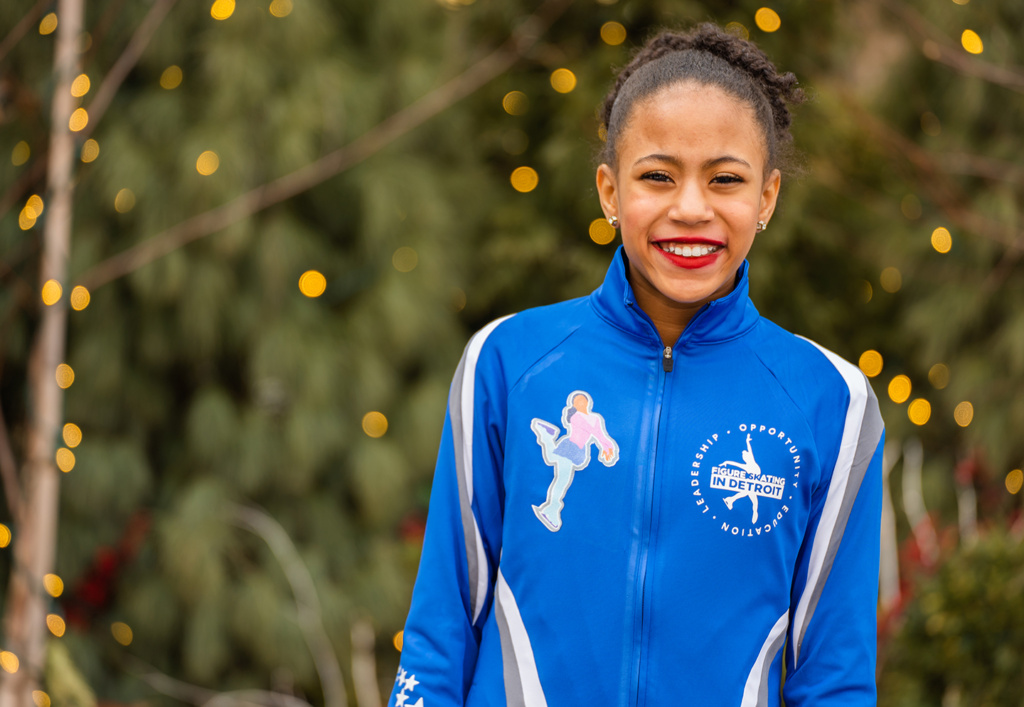
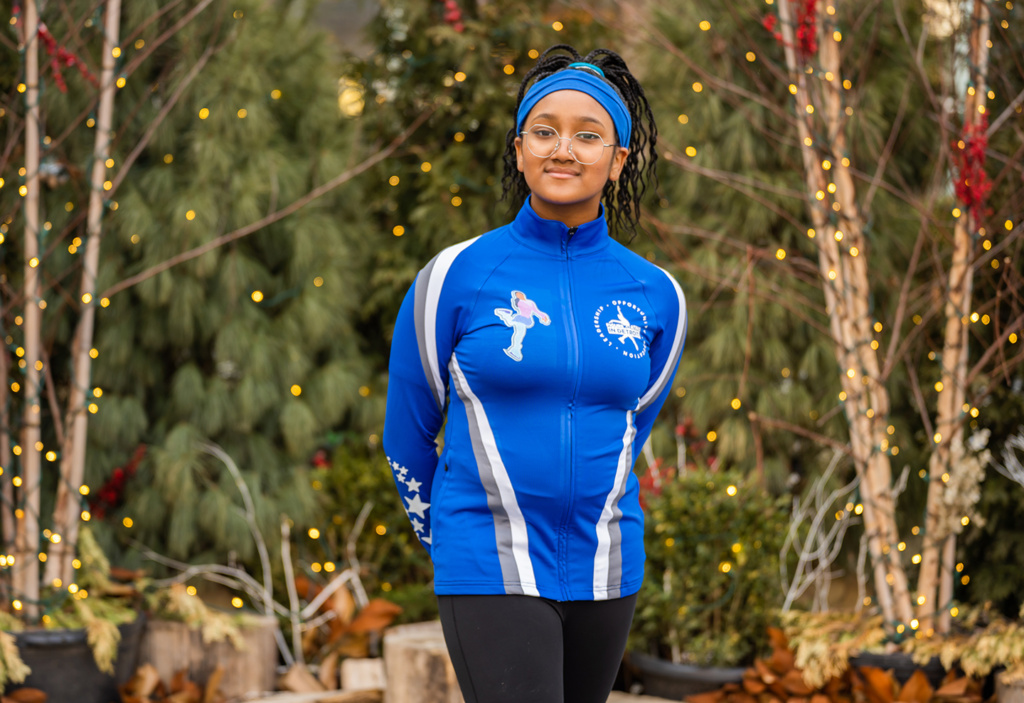
    Like the figure skating industry as a whole, most figure skating clubs in metro Detroit are predominantly white. Figure Skating in Detroit (FSD) intentionally provides girls of color a space to grow and cultivates a sense of sisterhood.

    “We put women in front of them who are doing the things they could see themselves doing. We make sure they meet with and talk to women who look like them,” explains Executive Director Lori Ward. The program works with girls from 1st through 12th grade, a significant growth and transition period. It is well documented that in early adolescence, many girls participate less at school and fall behind academically, do not engage in play and sports as much, and develop unhealthy body images. Apart from these challenges, girls participating in FSD’s programming face systemic challenges like generational poverty and racism.

    FSD’s program is designed to help girls build leadership and life skills and strengthen their academic achievement while partaking in fitness and figure skating training. It is modeled after Figure Skating in Harlem, an organization that has served girls for the past 25 years. The Harlem team wanted to develop a new chapter and, after a nationwide search, selected Detroit. FSD provides an after-school program titled I Can Excel (ICE), a summer day camp, and community workshops.

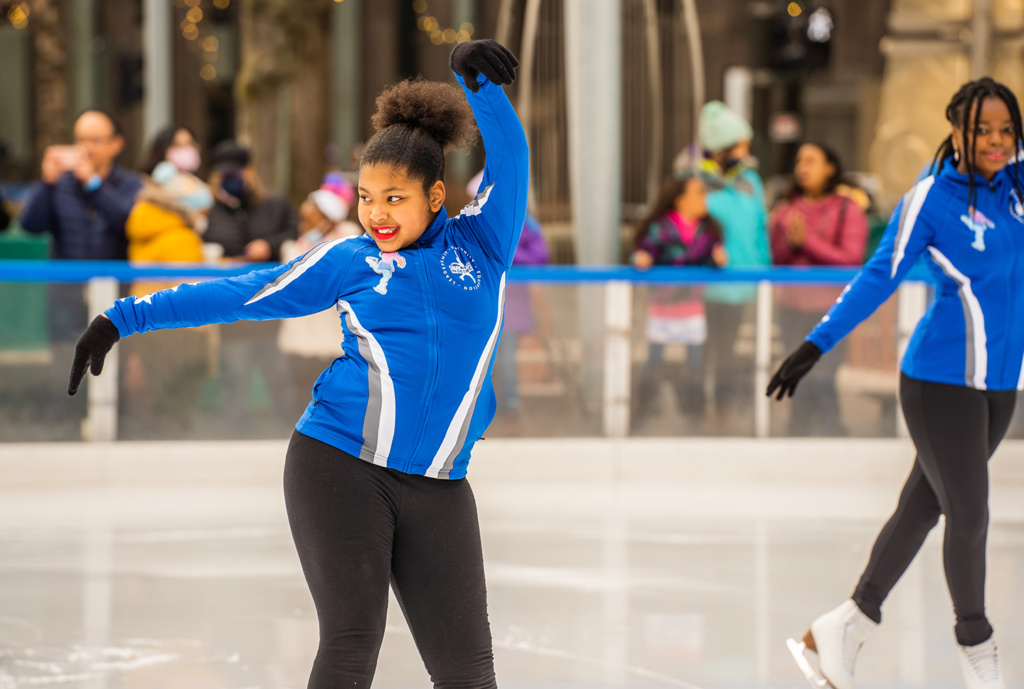
    ICE includes on-ice instruction and off-ice educational programming. Girls are provided with ice skating equipment and practice 3-5 days a week. Everyone performs during the end-of-season show, and girls can audition for one of three synchronized skating teams. Another program called Girls Off-Ice Fitness Investment Training (GO-Fit) teaches them nutrition, fitness, balance, and body awareness through different fitness classes. To improve academic achievement, girls receive tutoring for homework and tests, and their math and reading proficiency is tracked to identify performance below grade level. Through hands-on activities, workshops, and field trips, they explore STEM (Science, Technology, Engineering, and Math) concepts, are exposed to various college options and career pathways, and learn life skills such as financial literacy and communication.

    FSD leads workshops on topics including financial literacy, STEM, and entrepreneurship. The emphasis on entrepreneurship is unique to the Detroit chapter. Speakers share their businesses, what it is like to start a business, how to develop business plans, and how to market your business. FSD’s summer camp mirrors its after-school program. Girls work on STEM projects, learn from inspirational guest speakers, and engage in fitness activities alongside daily instruction on ice. The camp culminates in an ice skating performance. 

    By providing different types of programming, FSD can reach many girls across the city. In 2021, more than 50 girls participated in their after-school programming, their workshops targeted 100-150 girls, and the summer camp reached 75 girls. The organization offers tuition based on income for its capstone after-school program and provides scholarships for anyone who needs it. They never turn any family away based on affordability. Support from the Ralph C. Wilson, Jr. Legacy Funds have also been instrumental in ensuring participants have what they need to access and use ice rinks. With the funds, FSD has been able to secure time at metro Detroit ice rinks to host their programs and purchase high-quality skating equipment, including guards, bags, uniforms, and custom-fit, comfortable skates. 

    When FSD began in 2017, skater Carrington Conley came to the organization from a synchronized skating team at a predominantly white club, where she felt siloed. At FSD, Carrington found a sense of belonging and was able to express herself through ice skating without feeling discriminated against. Apart from ice skating, she also had an interest in teaching. FSD facilitated opportunities for her to shadow people working in the field and helped her find an internship. Shortly after her high school graduation in 2020, she applied and was interviewed to be a counselor at FSD. She has since graduated from esthetician school and continues to work as a counselor with the organization. 

    In March 2022, FSD held its second annual fundraising event, “Skating with the Stars,” at Campus Martius Park. Girls performed three numbers with Olympic gold medalist Meryl Davis, figure-skating champion Starr Andrews, and Miss Michigan Teen 2020 Aneesa Sheik. A few of them shared their experience with the program and plans for the future:

    “My favorite part about figure skating is learning how to do new things like jumps and spins. The program helps me with my confidence on ice and helps me become a better skater.” – Anaiya

    “Figure skating helps me build self courage and makes me feel empowered just to know that Black girls can do anything and everything. It’s a very uplifting group.” – Karrington

    “I’m going to try my darnedest get a figure skating scholarship in college. This program has taught me so much and has given me so many opportunities that I couldn’t not use it.” – Ty’Lynn

    At the Community Foundation for Southeast Michigan and Project Play, we strive to lift up the impactful work of our grantees who are creating positive permanent change in people’s lives throughout southeast Michigan. This post is part of a series of profiles about our youth sports grantees.

    Project Play: Southeast Michigan is driven and funded by the Ralph C. Wilson, Jr. Foundation’s Youth Sports & Recreation focus area in partnership with the Community Foundation for Southeast Michigan and the Aspen Institute Sports & Society Program.

  • Sports Sampling with Soar Detroit

    “I focus on using sports to teach kids lessons that will translate for the rest of their lives,” says Nate Schwarze, Director of Soar Detroit Eagle Sports Club (ESC). ESC provides sports programming for kids ages 4-14 on Detroit’s east side. Kids play baseball in the summer, soccer in the spring and fall, flag football in the spring, and ice hockey and basketball in the winter. 

    ESC is a program of Soar Detroit, a faith-based organization that also implements a literacy tutoring program. When Nate joined the organization in 2018, most of Soar Detroit’s resources were directed towards the literacy program, and ESC had fallen to the side. Nate applied his experience in finance, business development, and as a former basketball player to help turn the program around. He has worked to build trust in the community and develop partnerships with nearby church communities in Detroit and Grosse Pointe, as well as organizations such as Eastside FC and the Eastside Hockey Foundation. Through ESC’s partnership with Project Play: Southeast Michigan and support from the Ralph C. Wilson, Jr. Legacy Funds, they have also implemented a coaches training initiative.

    ESC recruits, trains, and engages volunteer coaches from the local area to help them develop meaningful relationships with the kids who participate. As a former Division 1 basketball player, Nate cannot stress enough the impact coaches have on each kid they interact with. ESC’s coaching initiative is focused on training volunteers to coach in an age and developmentally appropriate and positive manner that fosters a lifelong love of the sport. Some potential volunteers who come to the organization are former players, while others know little or nothing about the sport but are committed to mentoring young people. Nate meets with potential coaches over coffee to get to know them and determine if they are a good fit. He tailors coaches’ training to fill in the gaps in their experience or approach. “Some need support with positive coaching and character development. Others need support with the rules and game,” he says. ESC puts its faith values into practice by fostering an environment of love and support towards the kids and their families. Additionally, encouraging an “attitude of gratitude” towards one another and life.

    ESC has earned its place as a community resource. Its standing became evident to Nate during the Covid-19 pandemic when caregivers reached out directly to him seeking help to keep their kids active and occupied. ESC was able to step up by initiating socially distanced workouts and soccer clinics with safety protocols. 

    Nate is grateful that ESC can serve the community and proud of how it has more recently grown to serve 1,400 kids and offer five different sports programs. The program encourages kids to play as many sports as they can and offers a variety of play options to facilitate sports sampling. While Nate describes ESC’s league as recreational, he also works to help connect kids with solid skills to more competitive opportunities. For example, he has been able to secure scholarships for three kids to play on travel teams to prepare them for college soccer.  

    Parents and grandparents are grateful for ESC too. One parent whose sons attended ESC basketball clinics said, “The boys learned so much and truly had a blast. Our family is so thankful for Eagle Sports!” 

    At the Community Foundation for Southeast Michigan and Project Play, we strive to lift up the impactful work of our grantees who are creating positive permanent change in people’s lives throughout southeast Michigan. This post is part of a series of profiles about our youth sports grantees.

    Project Play: Southeast Michigan is driven and funded by the Ralph C. Wilson, Jr. Foundation’s Youth Sports & Recreation focus area in partnership with the Community Foundation for Southeast Michigan and the Aspen Institute Sports & Society Program.